

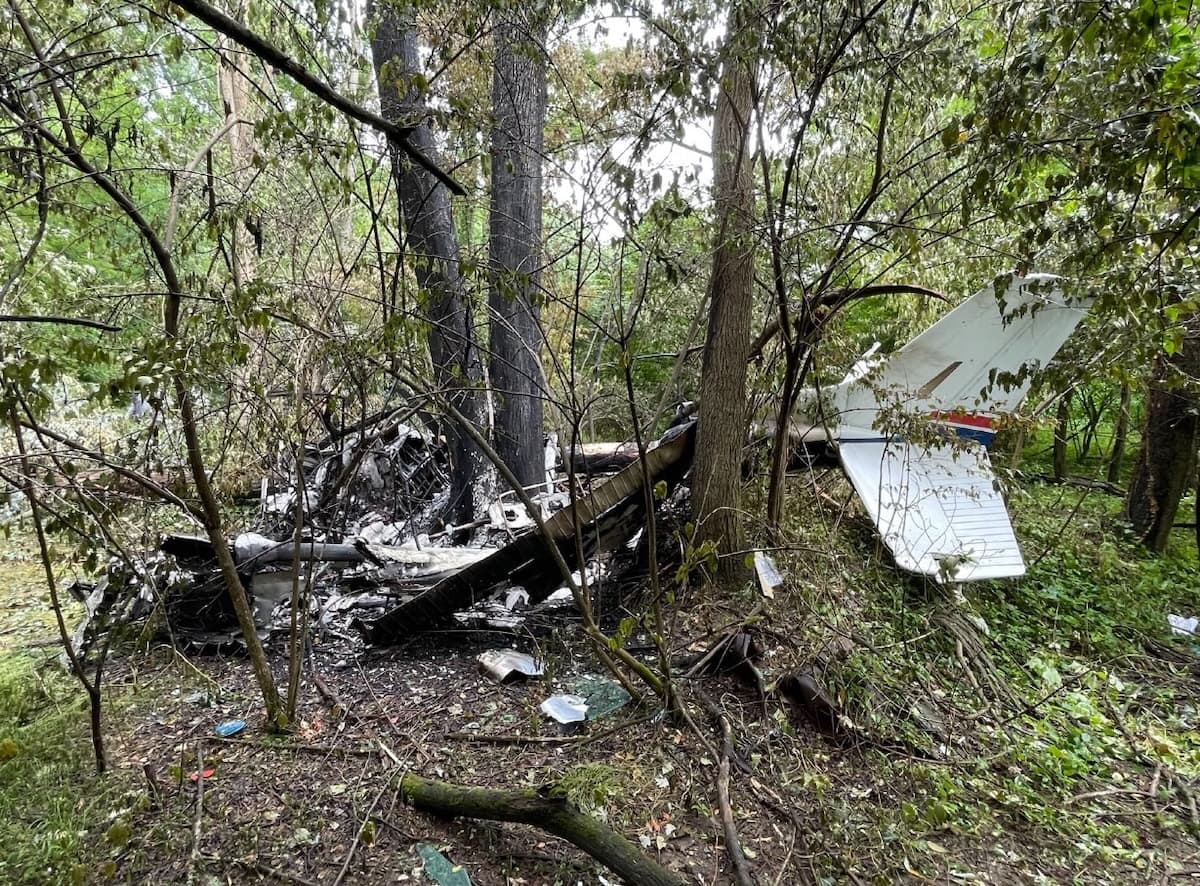
Probable Cause: The student pilot’s premature turn to the crosswind leg of the traffic pattern at low airspeed and altitude, resulting in a collision with trees and terrain.
NTSB Accidents
Cracked, Separated Cylinder Leads To Forced Landing
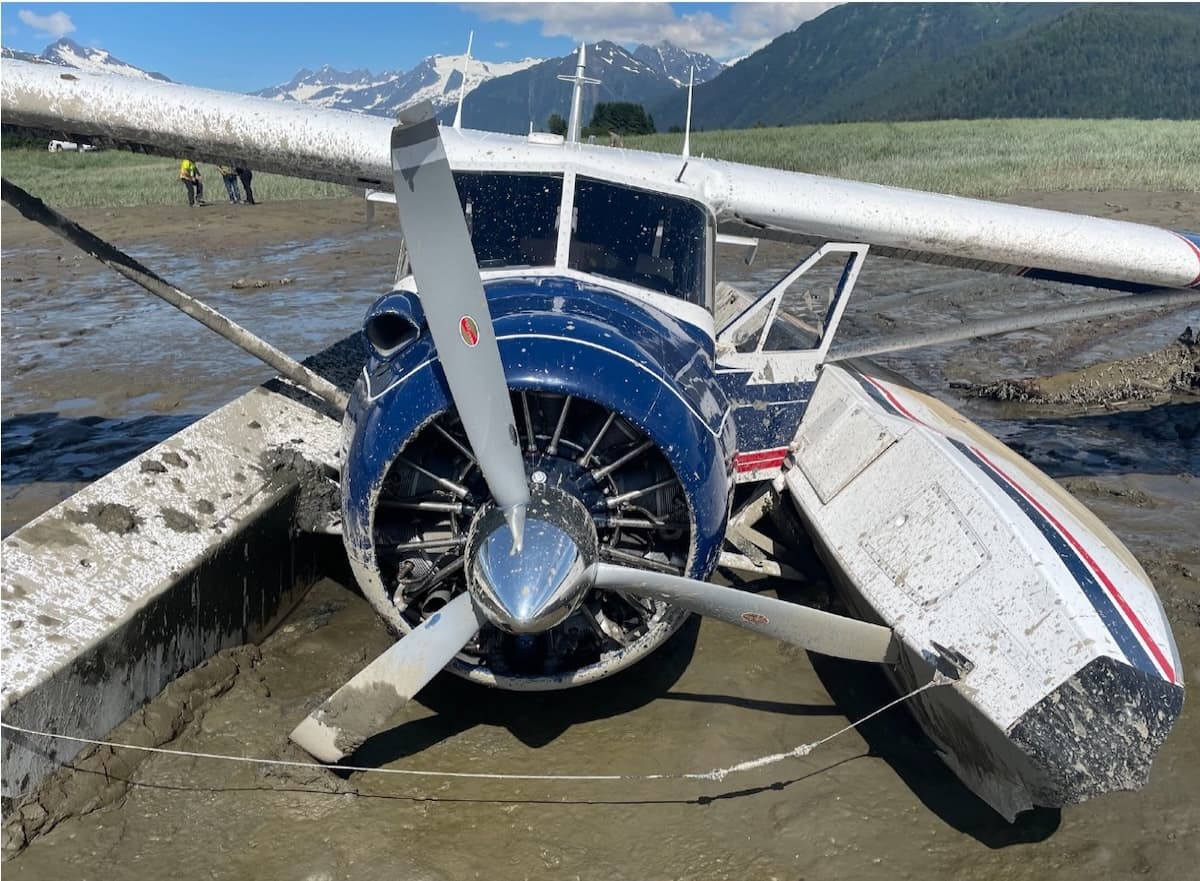
Probable Cause: A partial loss of engine power during initial climb due to a cracked cylinder.
Accident Chain Starts With Quartering Tailwind
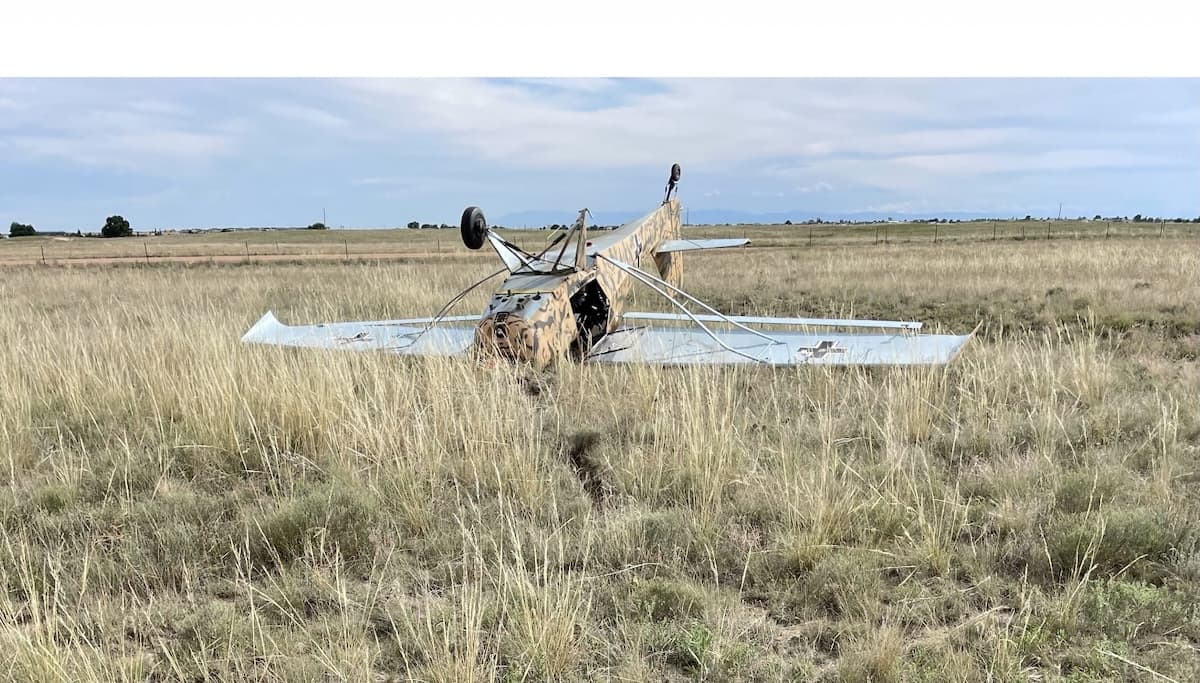
Probable Cause: The pilot’s decision to takeoff with a quartering tailwind and high density altitude which resulted in a runway overrun. Contributing to the accident was the failure of the right main axle mount due to the poor weld.
Go-Around in Turbulent Conditions Goes Awry
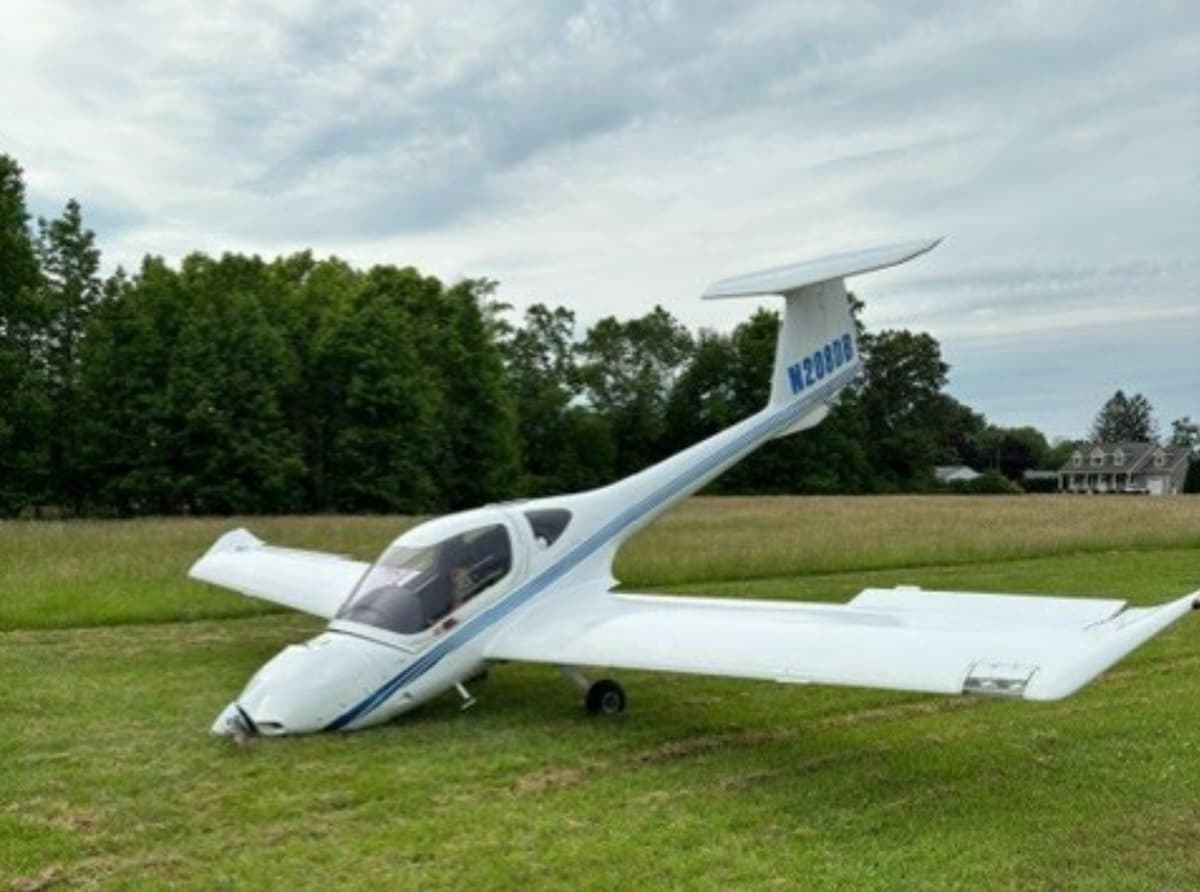
Probable Cause: The flight instructor’s failure to maintain control of the airplane during a low approach and subsequent go-around in turbulent wind conditions.
Bad Math Leads to Forced Landing On A Beach
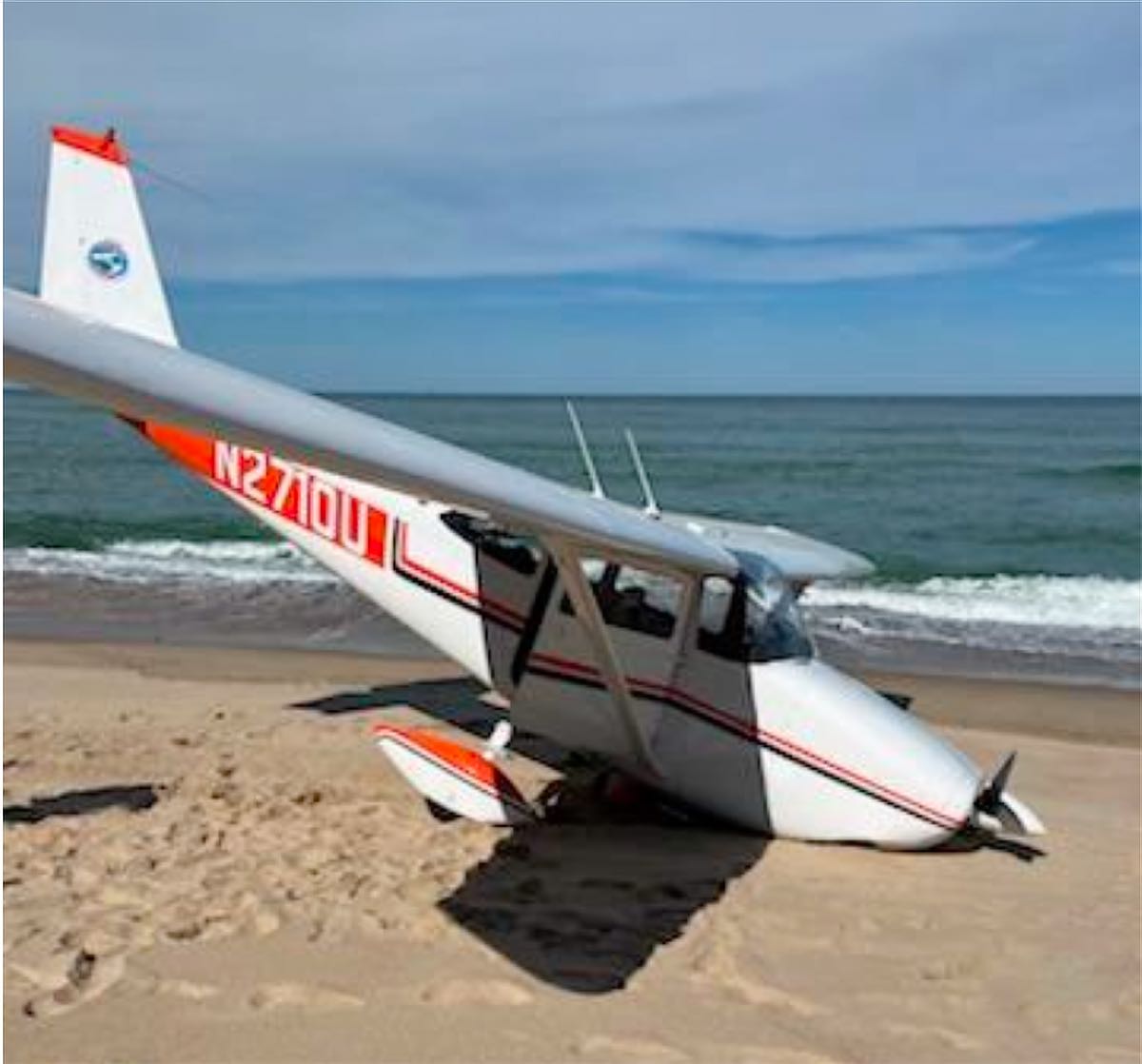
Probable Cause: The pilot’s inadequate preflight inspection of the airplane’s fuel quantity, which resulted in total loss of engine power due to fuel exhaustion.
Maintenance Error Bends Cirrus SR22T
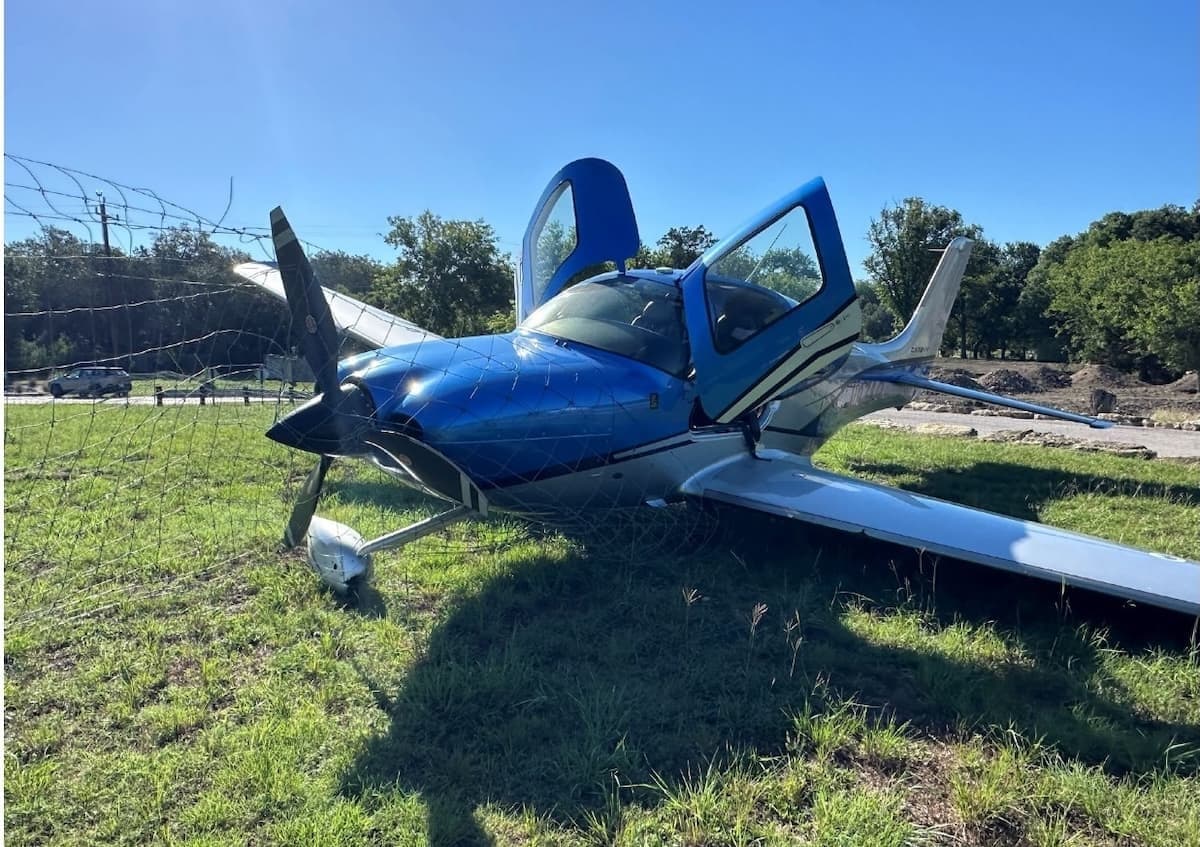
Probable Cause: Maintenance personnel’s inadequate adjustment of fuel flow, which resulted in an excessively rich mixture, a rough-running engine, and a subsequent partial loss of engine power.
Pilot and Passenger Fatally Injured in Crash Following In-Flight Engine Issues
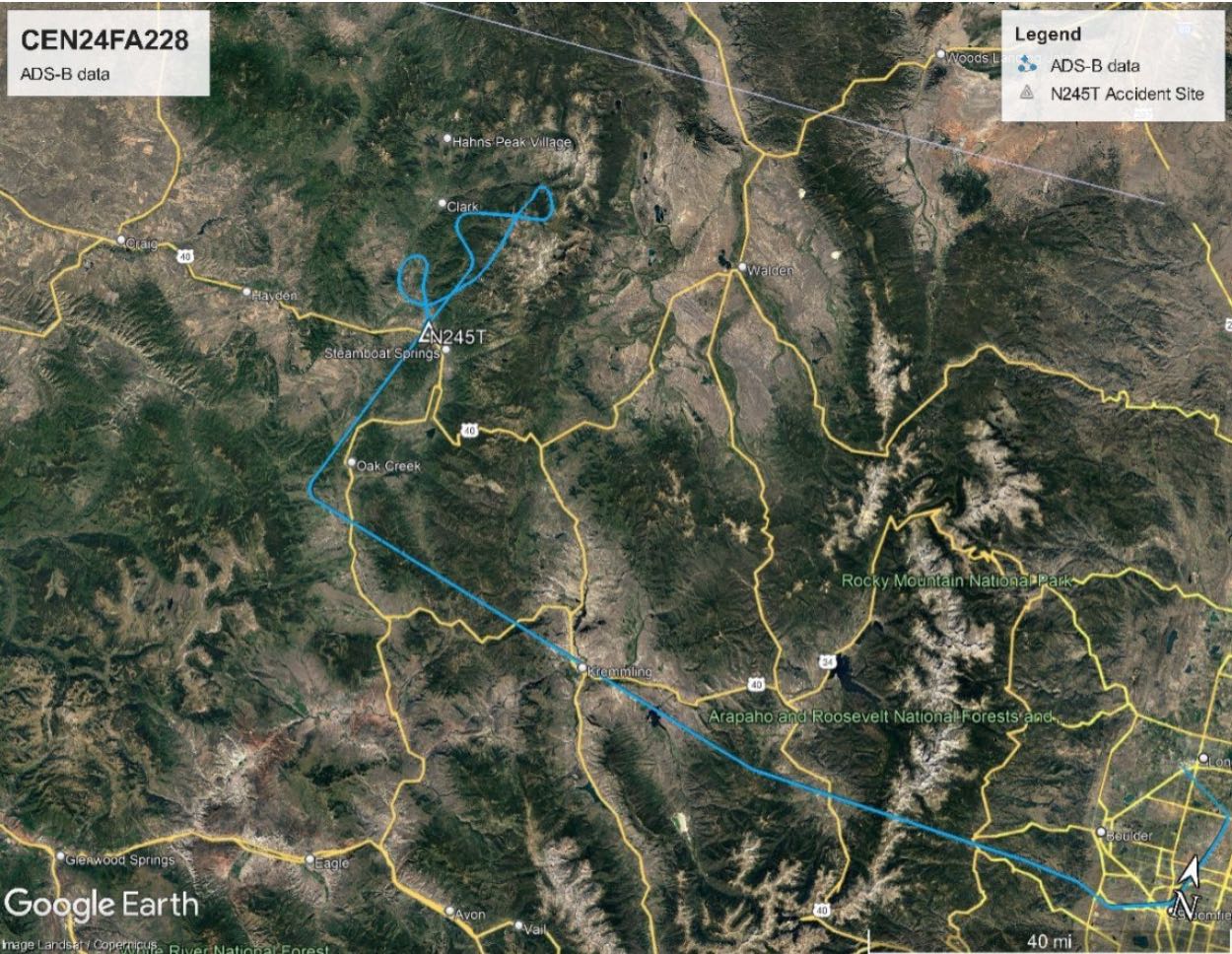
Probable Cause: The pilot’s failure to maintain sufficient airspeed following a loss of engine power, which resulted in an inadvertent aerodynamic stall/spin at low altitude.
Two Seriously Injured When Hoses Improperly Installed in Experimental
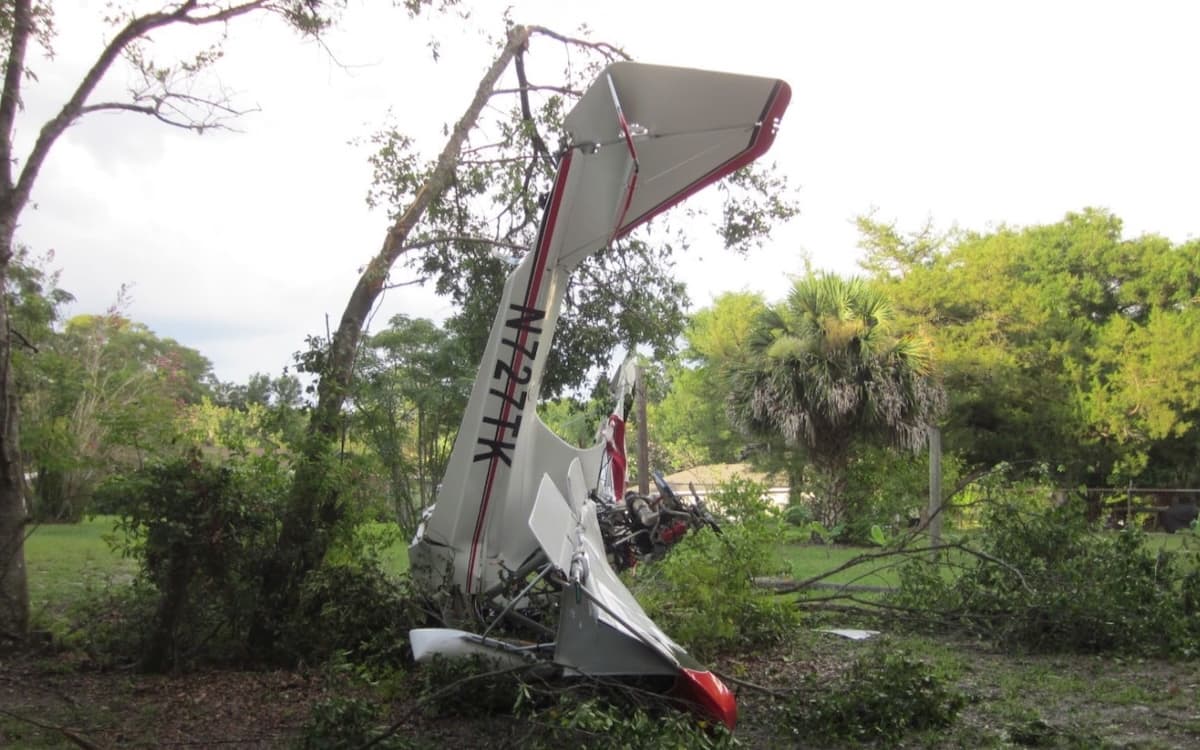
Probable Cause: Improper installation of the electric-driven fuel pump inlet hoses, which resulted in a hose failure and subsequent loss of engine power due to fuel starvation.
Pilot Loses Control During Attempted Go-Around
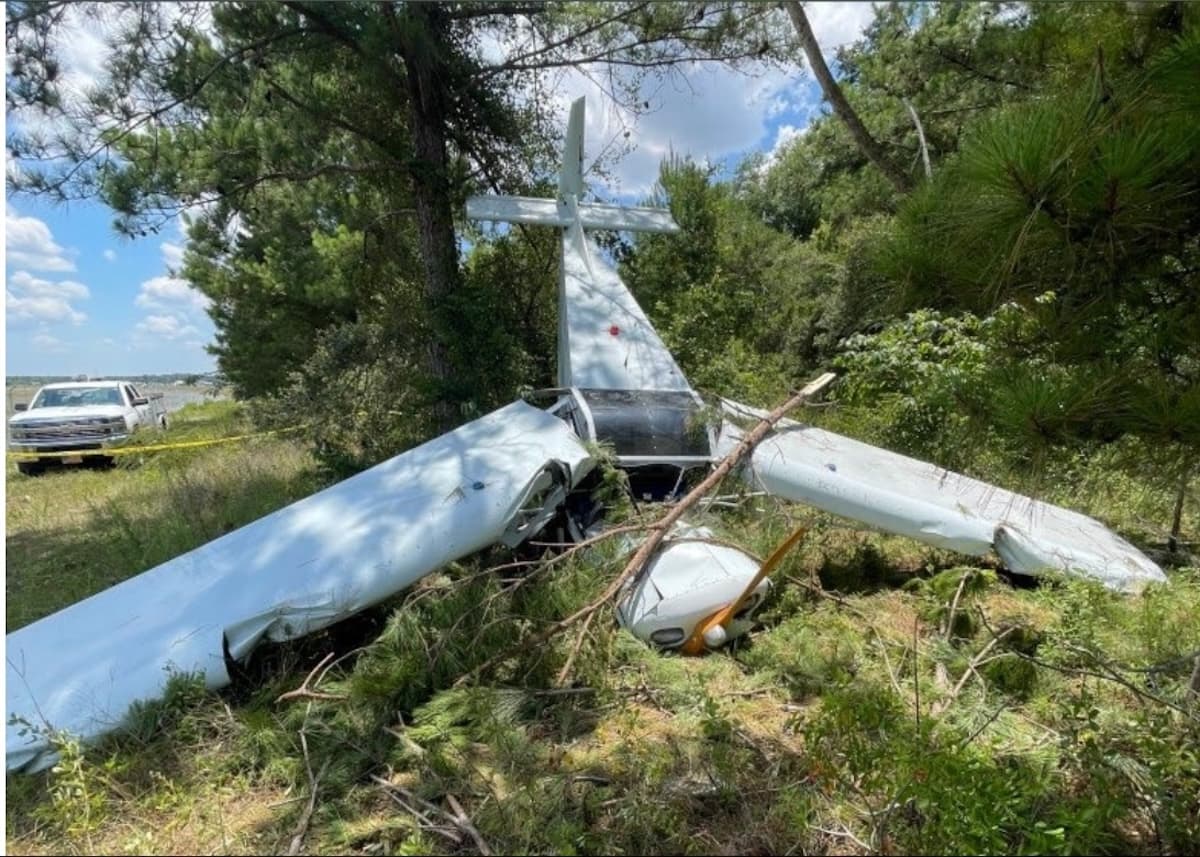
Probable Cause: The pilot’s failure to maintain aircraft control and his exceedance of the airplane’s critical angle of attack, which resulted in an aerodynamic stall and spin during an attempted go-around.