


Planning to ask a factory representative for help at the next big aviation event? Don’t show up empty-handed. You need to be able to provide specific details like make, model, and serial number, to get the solution to your engine problems.
Ask Paul
Rare Photos Reveal Secret Wartime Project with Lycoming Roots
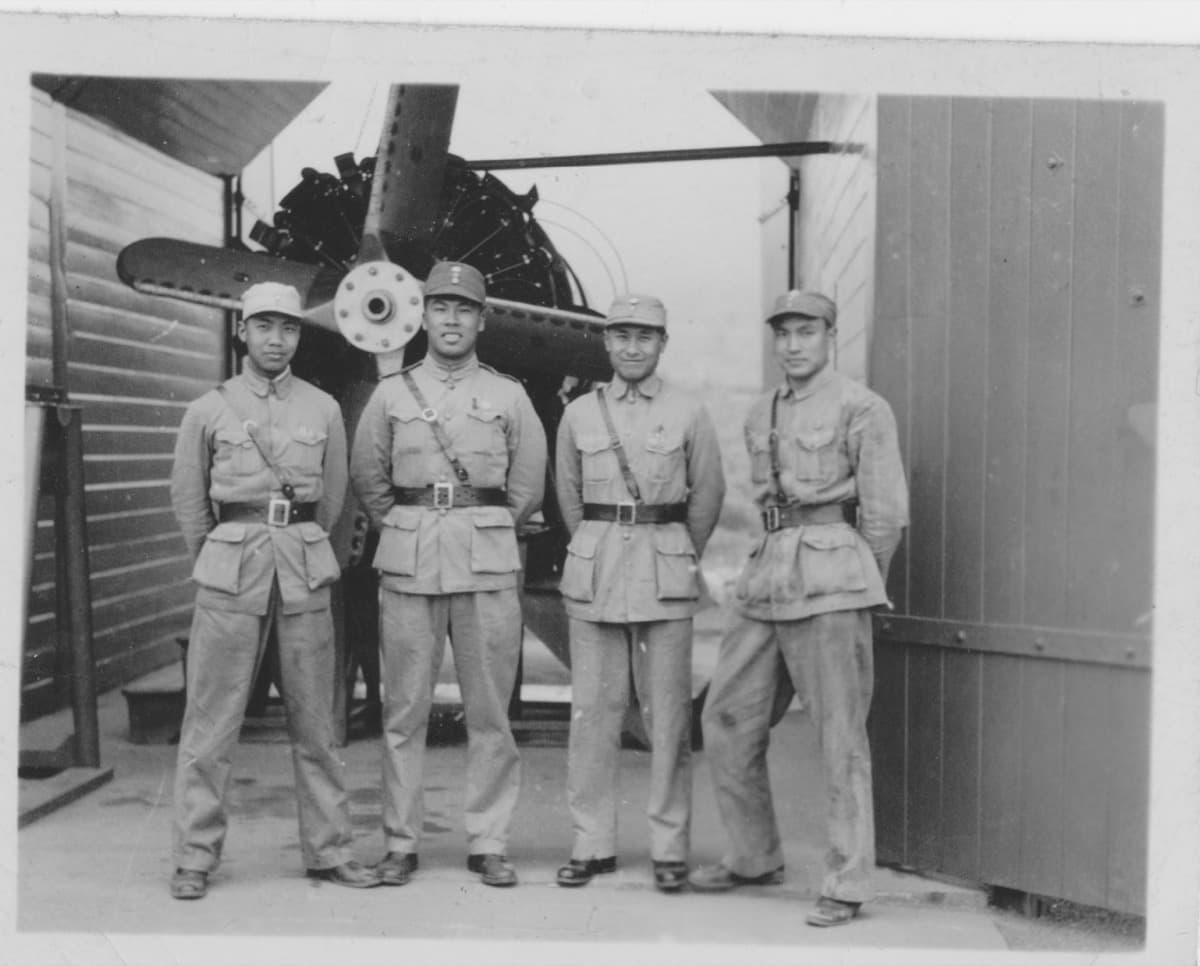
A General Aviation News reader shares rare photos from 1944, seeking help from engines expert Paul McBride to identify a mystery radial engine tied to a forgotten, wartime aircraft factory project in interior China. Can you help solve the mystery?
From Sewing Machines to Sky Ships: The Lycoming-Zeppelin Connection

Our engines expert tells the tale of how a rumor led to Lycoming powering the famous Goodyear Airships.
How Can I Keep Flying While I Get My Engine Overhauled?

William’s Question: I want to get my engine overhauled. Not because of any operating problems, but because it has been 35 years since overhaul. After contacting overhaul shops I find that due to the work force shortage, overhaul times are now in the six to eight month or more time frame. I don’t want to stop flying to overhaul an engine that the only problem is 35 years since it was last overhauled.
What’s The Difference Between Narrow Deck And Wide Deck Engines?
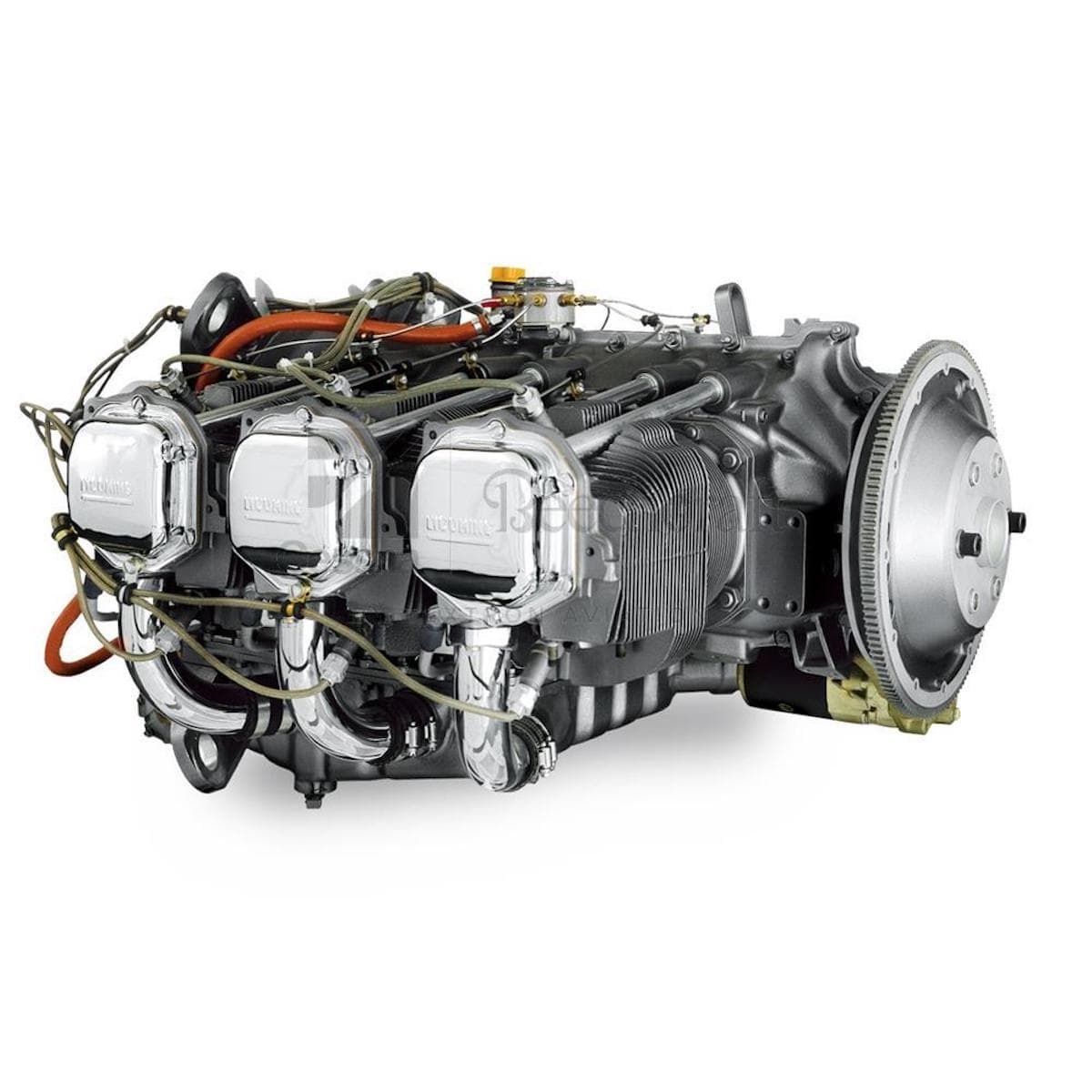
Question for Paul McBride, the General Aviation News engine expert: In your recent column, “The fall-out from not doing due diligence,” you mentioned narrow deck and wide deck. My question: “Is a narrow deck an angle valve 540 and a wide deck a parallel valve 540? “
Ask Paul: The fall-out from not doing due diligence
Question for Paul McBride, the General Aviation News engines expert: I purchased a 1971 PA-32 Cherokee 260 about 18 months ago. I did not do my due diligence in a pre-buy and did not consider the effects on an airplane engine with only 300 hours since rebuilt in 2012 that spent a lot of time in a hangar in New Jersey.
Another reader worries his engine is a ticking time bomb
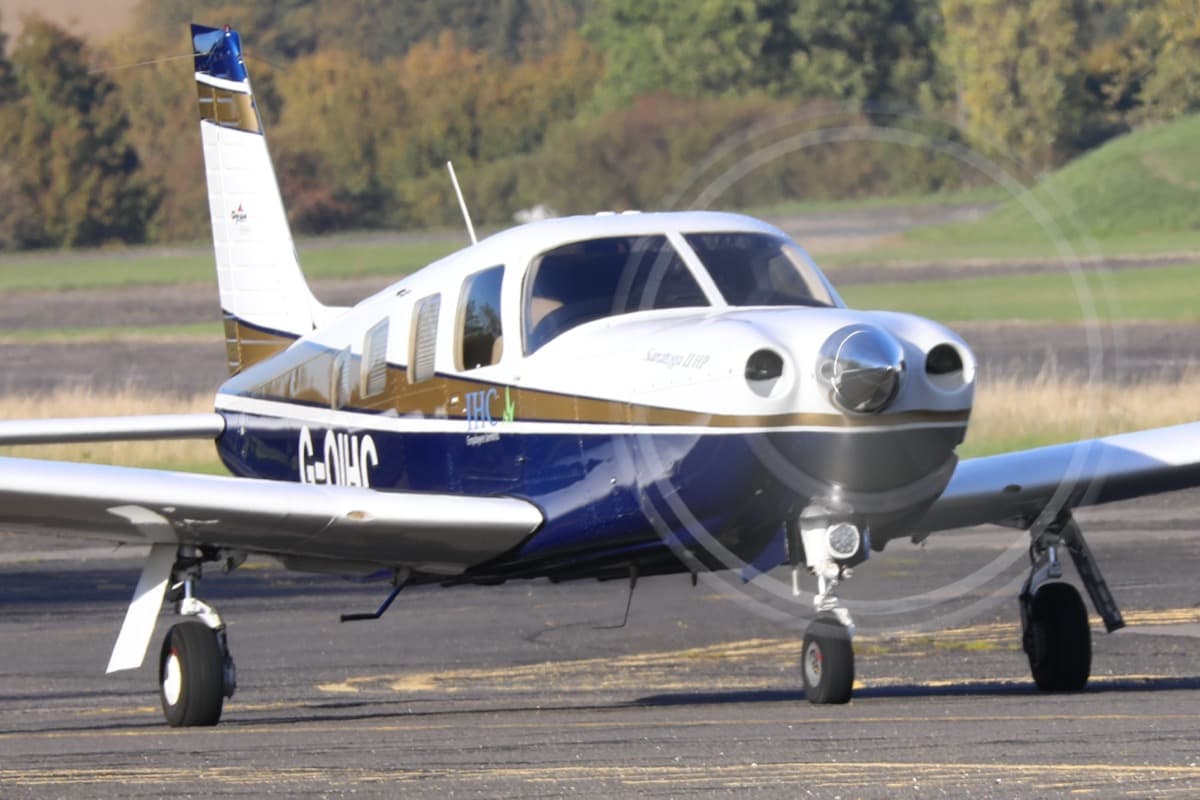
While waiting for a new engine, a reader wonders if he should worry about his existing engine, especially since he flies over open water a lot.
Ask Paul: What could cause this to happen?
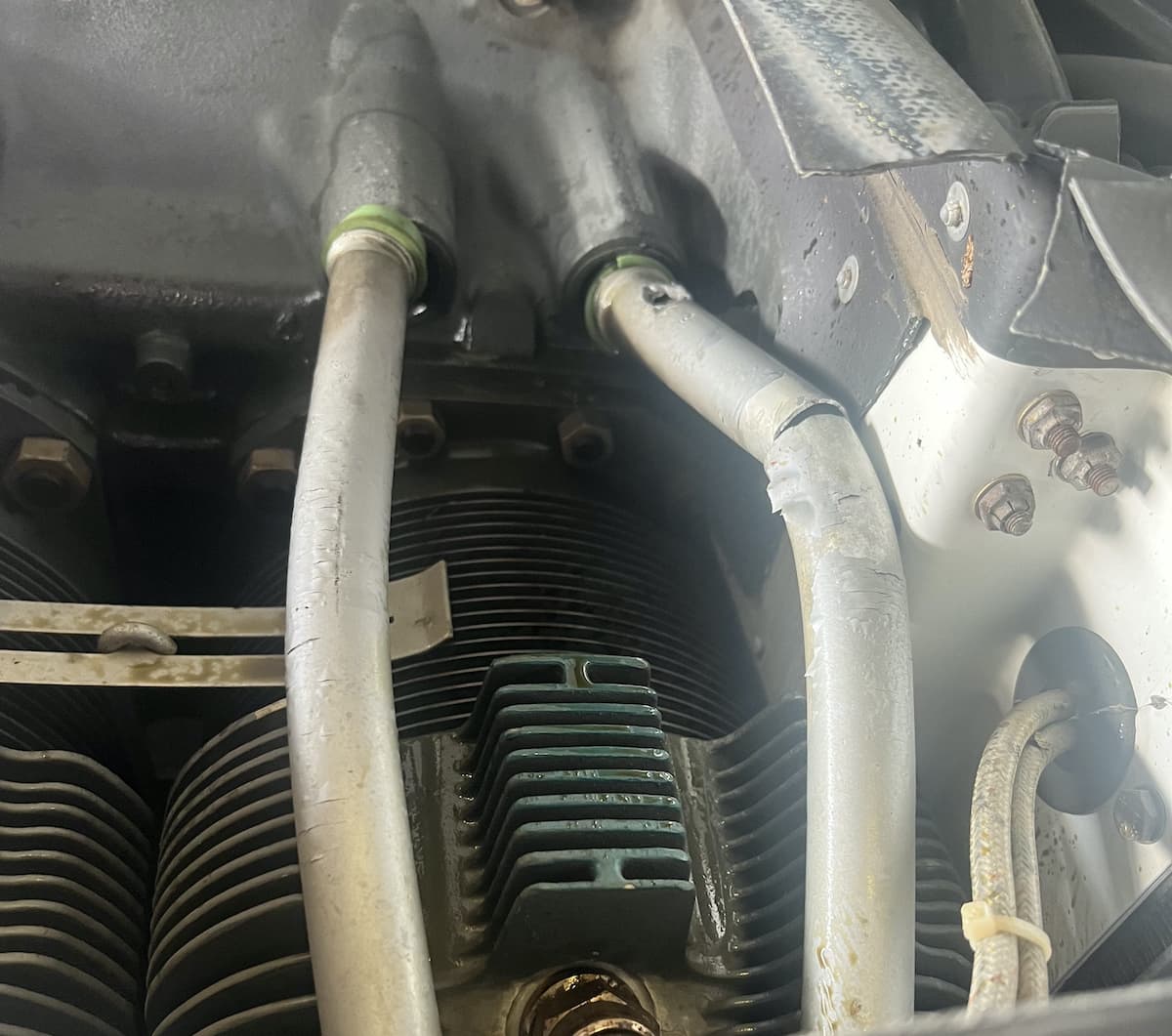
If you look closely at the photo, you’ll notice that the exhaust valve pushrod shroud tube on the right is bent severely and has fractured the pushrod shroud tube. The intake pushrod shroud tube is also bent, but you’ll also notice that this has caused much more serious damage because it has cracked the tappet boss on the crankcase, which means the crankcase will either need serious repair work completed at an FAA-approved facility or a complete replacement.
Ask Paul: Why is my engine running rough?
The engine on our Piper PA-28-235 runs OK at 2,000 rpms but runs rough at 1,500 rpms. Any insight you can give us to the problem?