

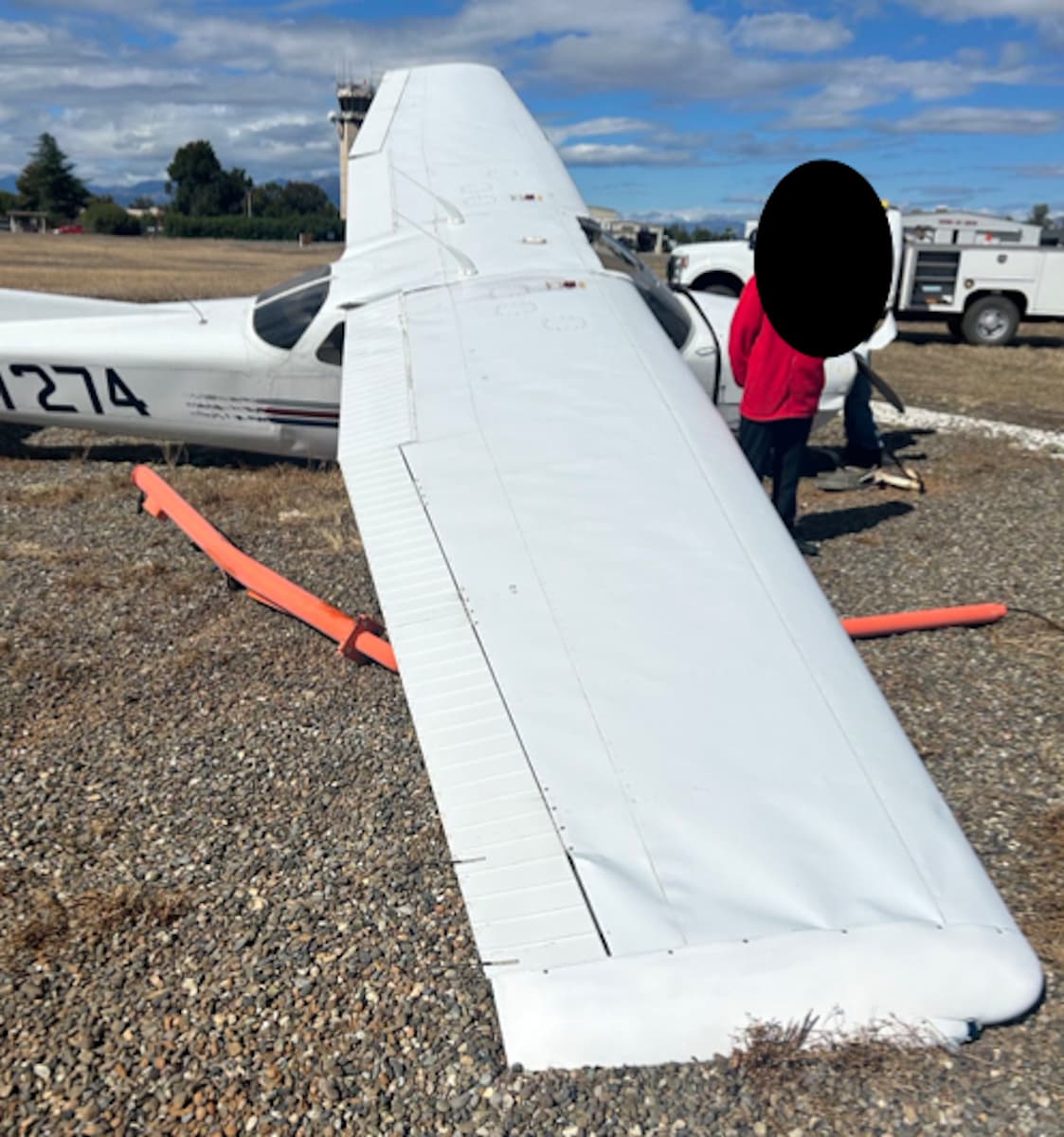
Probable Cause: The student pilot’s loss of airplane control during takeoff, which resulted in a bounced landing and impact with the airport’s windsock.
aviation accidents
Fatigue failure leads to forced landing

Probable Cause: A total loss of engine power due to the fatigue failure of a retaining circlip in one of the No. 2 crankshaft cheek counterweights, which resulted in liberation of the counterweight.
Instructional flight ends in field due to fuel starvation
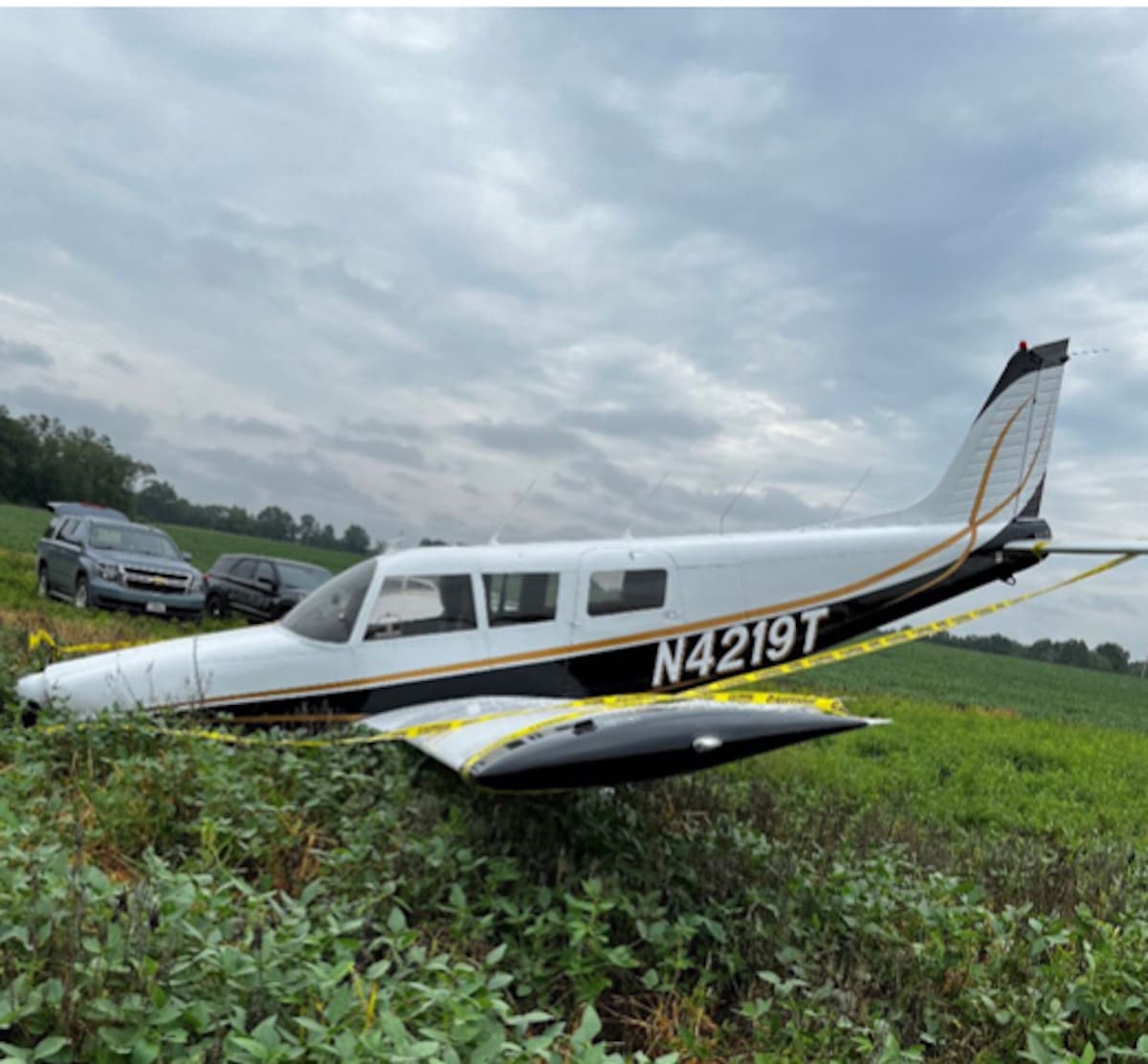
Probable Cause: The flight instructor’s inadequate fuel management that resulted in fuel starvation and a total loss of engine power during an approach for landing.
Bounced landing bends Bellanca
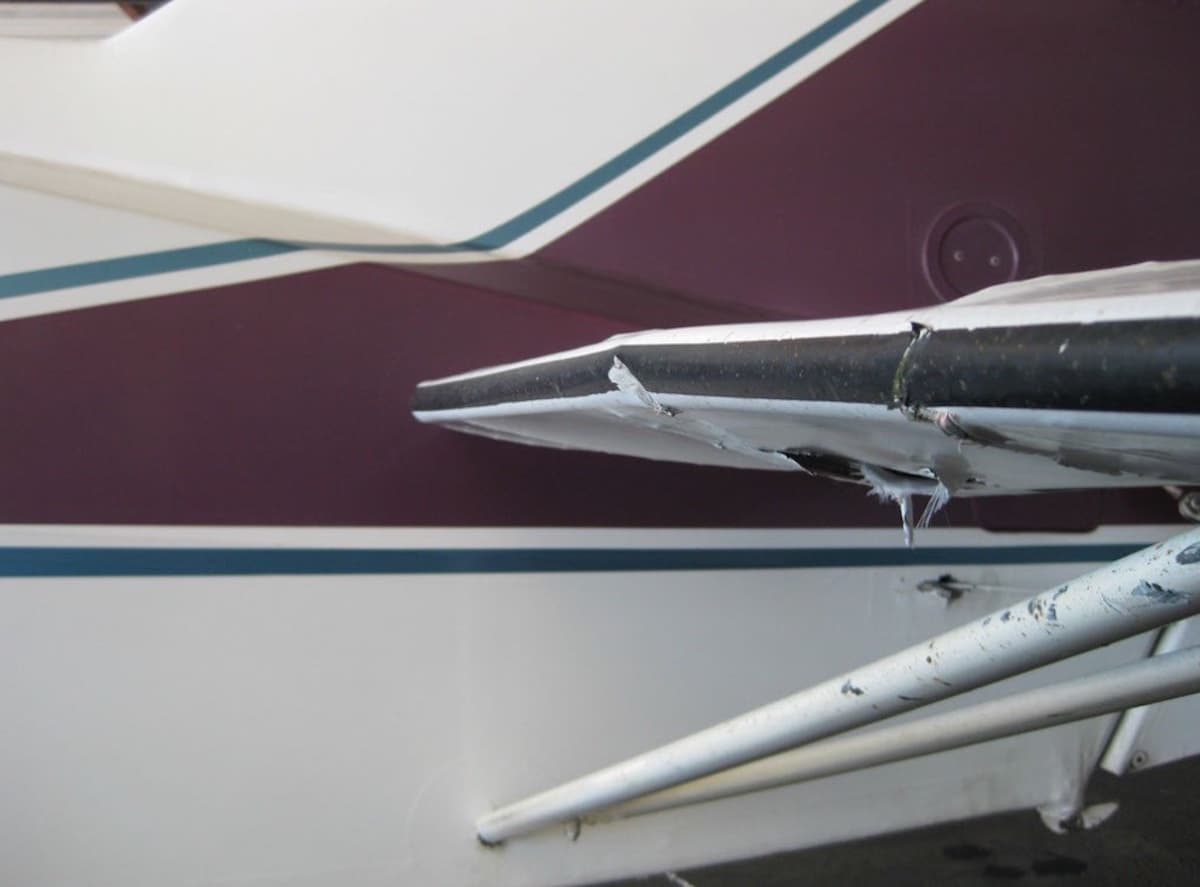
Probable Cause: The pilot’s failure to maintain control of the airplane during the aborted landing, which resulted in a collision with a taxiway light.
Fatigue failure leads to forced landing
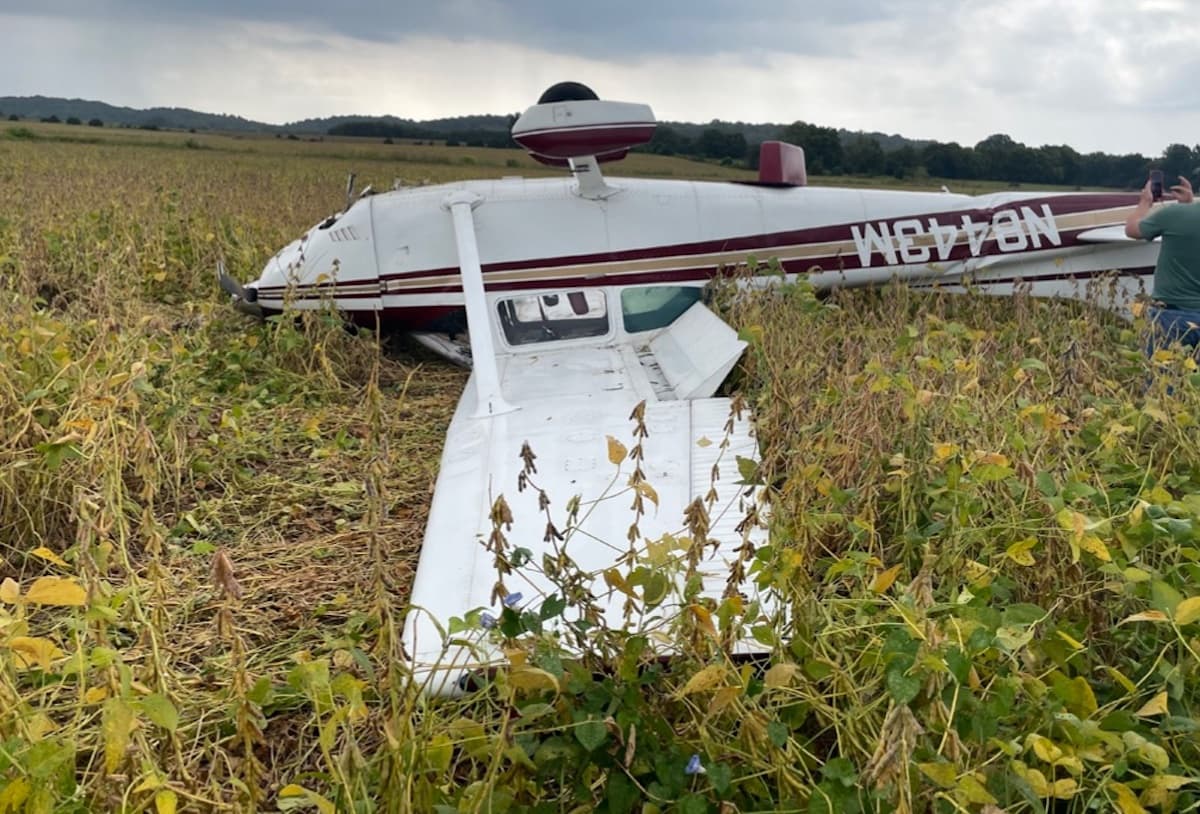
Probable Cause: A loss of engine power due to the fatigue failure of the No. 6 cylinder exhaust valve rocker boss.
Pilot crashes while planning out his own runway
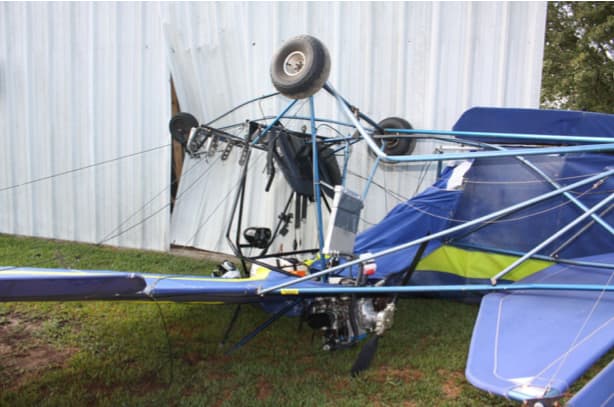
Probable Cause: The pilot’s failure to maintain sufficient altitude from obstacles during the simulated landing approach which led to a collision with a fence and a building.
Open canopy starts accident chain
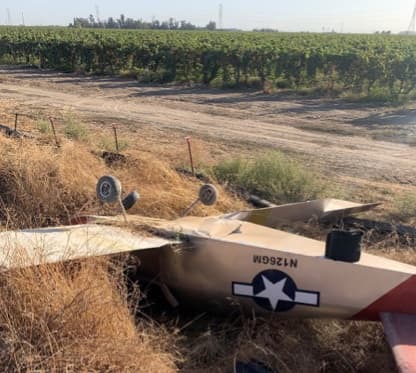
Probable Cause: An emergency landing on uneven terrain that resulted in the loss of directional control during landing.
Gusting crosswind, unfamiliar airplane bad combination for Cessna 305 pilot
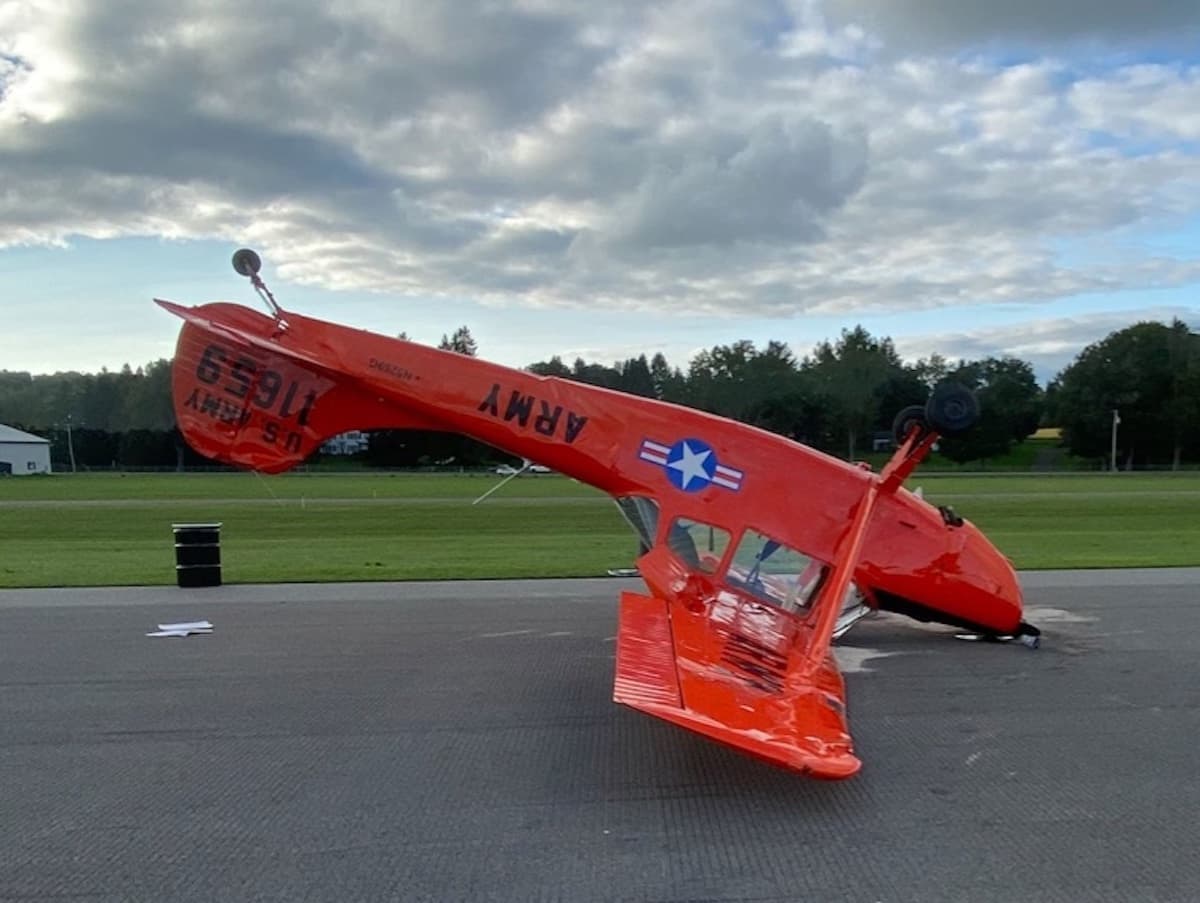
Probable Cause: The pilot’s failure to maintain directional control while landing in a gusting crosswind, which resulted in a noseover. Contributing was the pilot’s lack of familiarity with the airplane.
First flight after a year ends in fuel exhaustion
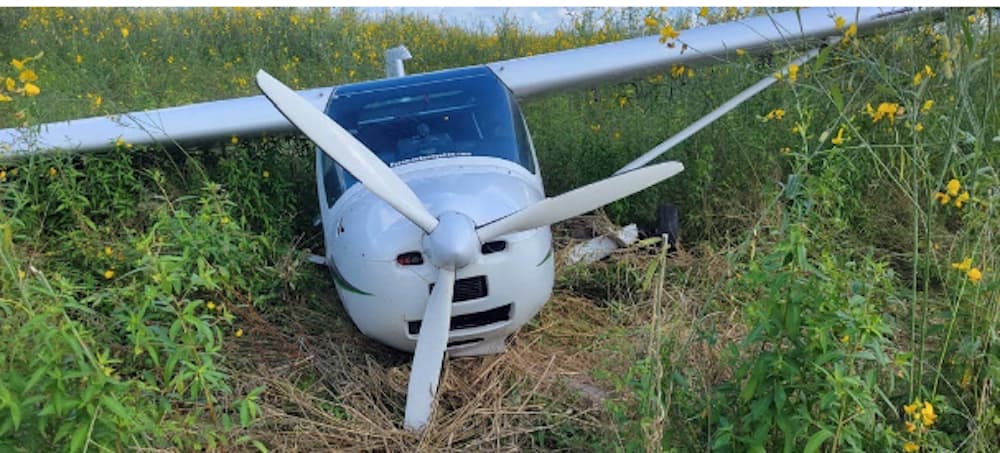
Probable Cause: The pilot’s inadequate fuel planning, which resulted in a total loss of engine power during cruise flight due to fuel exhaustion.