

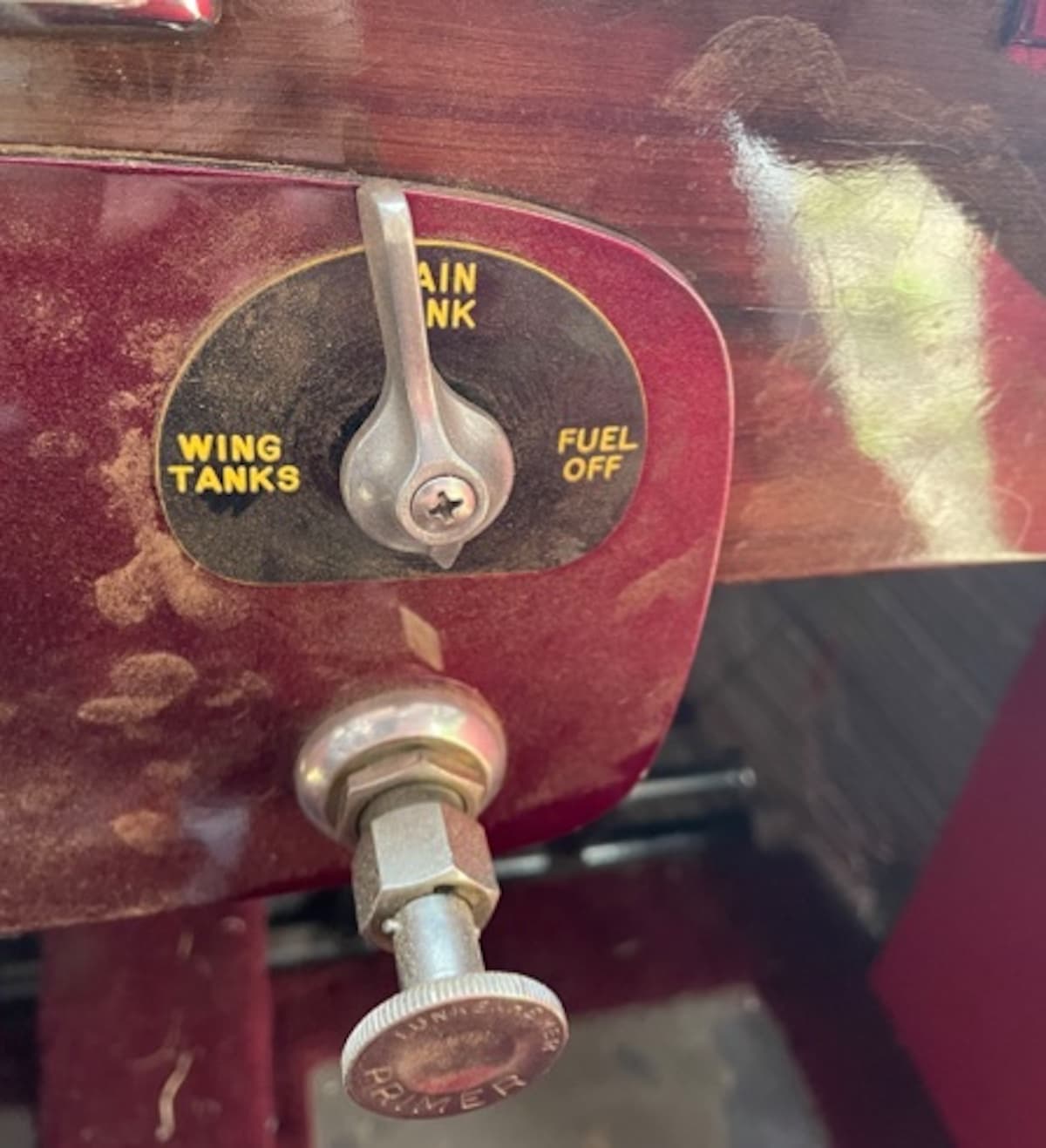
Probable Cause: Fuel starvation due to the pilot’s incorrect movement of the fuel selector valve to OFF, which resulted in a loss of engine power.
aviation accidents
Failure to see and avoid by both pilots leads to midair collision
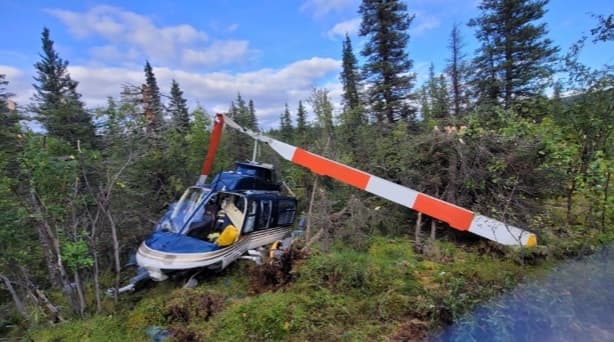
Probable Cause: The failure of both pilots to see and avoid while en route, which resulted in a midair collision.
Clogged fuel inlet screen brings down Murphy Moose
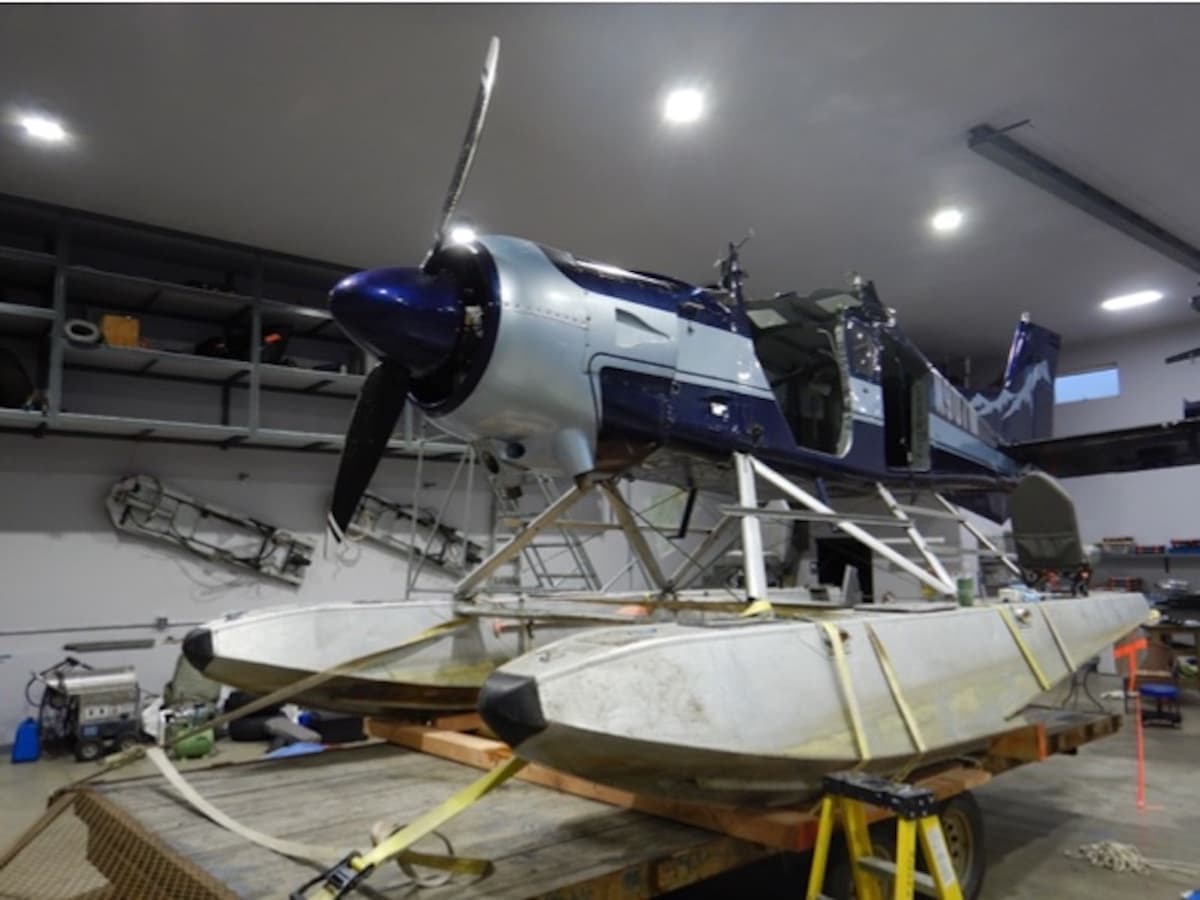
Probable Cause: A total loss of engine power due to fuel starvation. Contributing was the owner/builder’s inadequate maintenance.
Luscombe hits hangar after pilot’s feet get stuck in rudder pedals
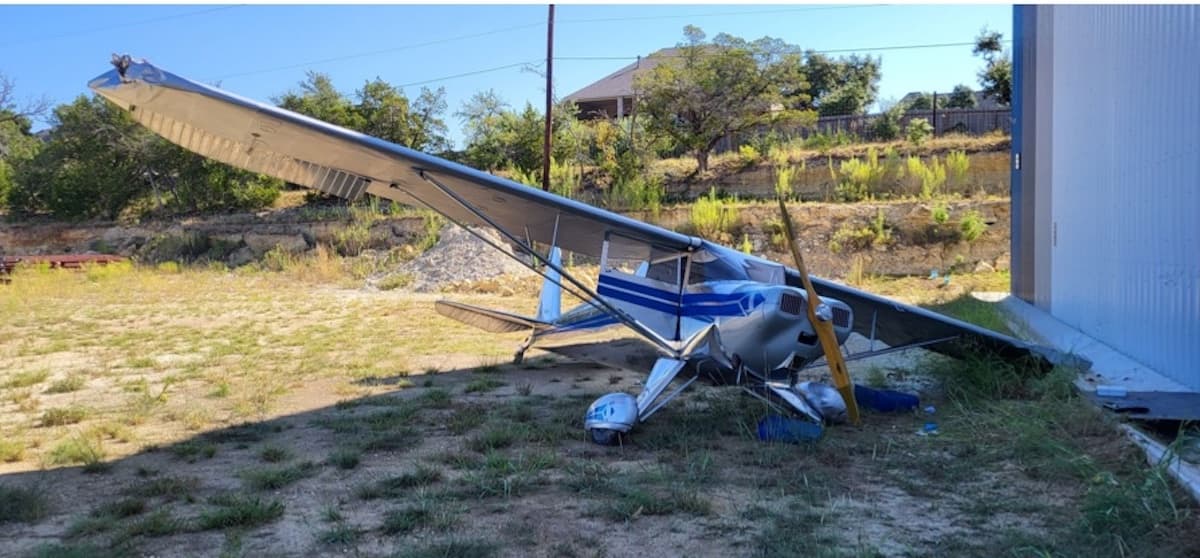
Probable Cause: The pilot’s failure to maintain directional control during the landing roll.
C150 crashes after student fails to relinquish the controls
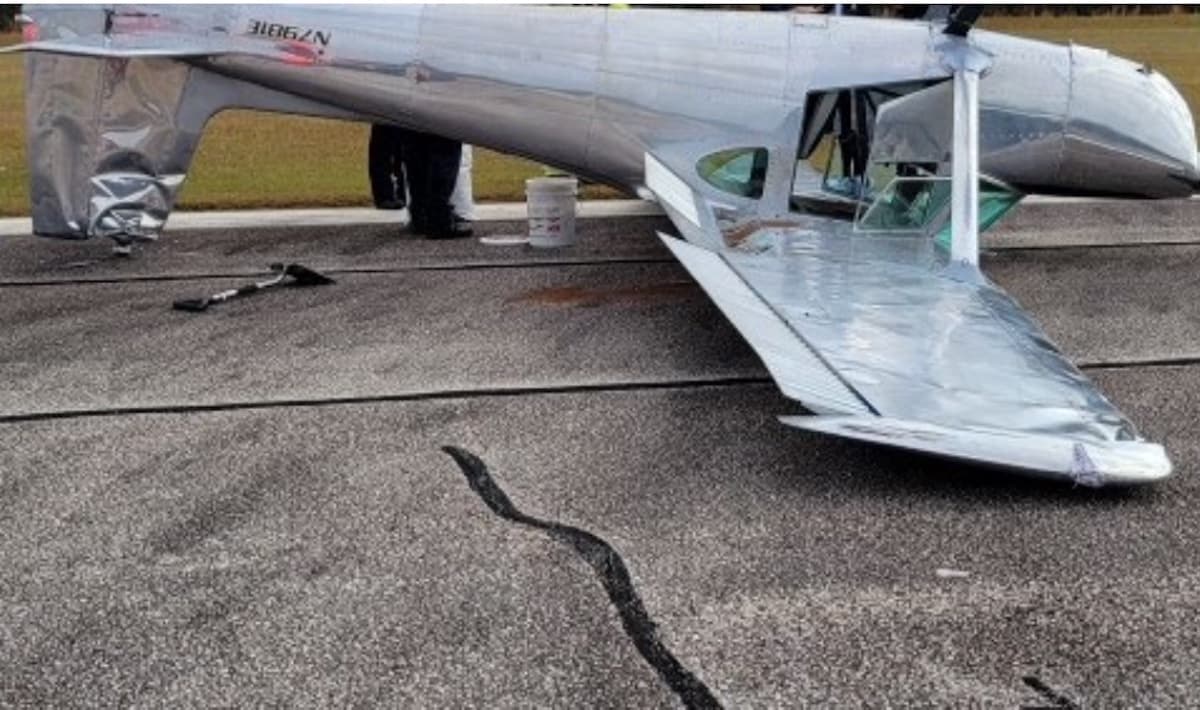
Probable Cause: The flight instructor’s inadequate remedial action and the student pilot’s failure to relinquish the flight controls as directed by the flight instructor, resulting in a loss of control and nose over.
Failure to see and avoid cause of 2023 fatal Reno accident
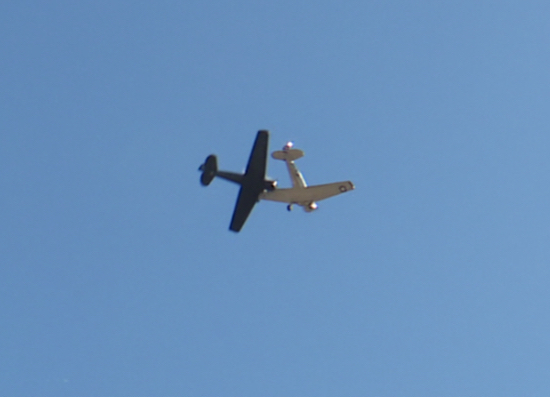
The NTSB has released its final report on a fatal accident at the 2023 Reno Air Races.
Design flaw leads to loss of control
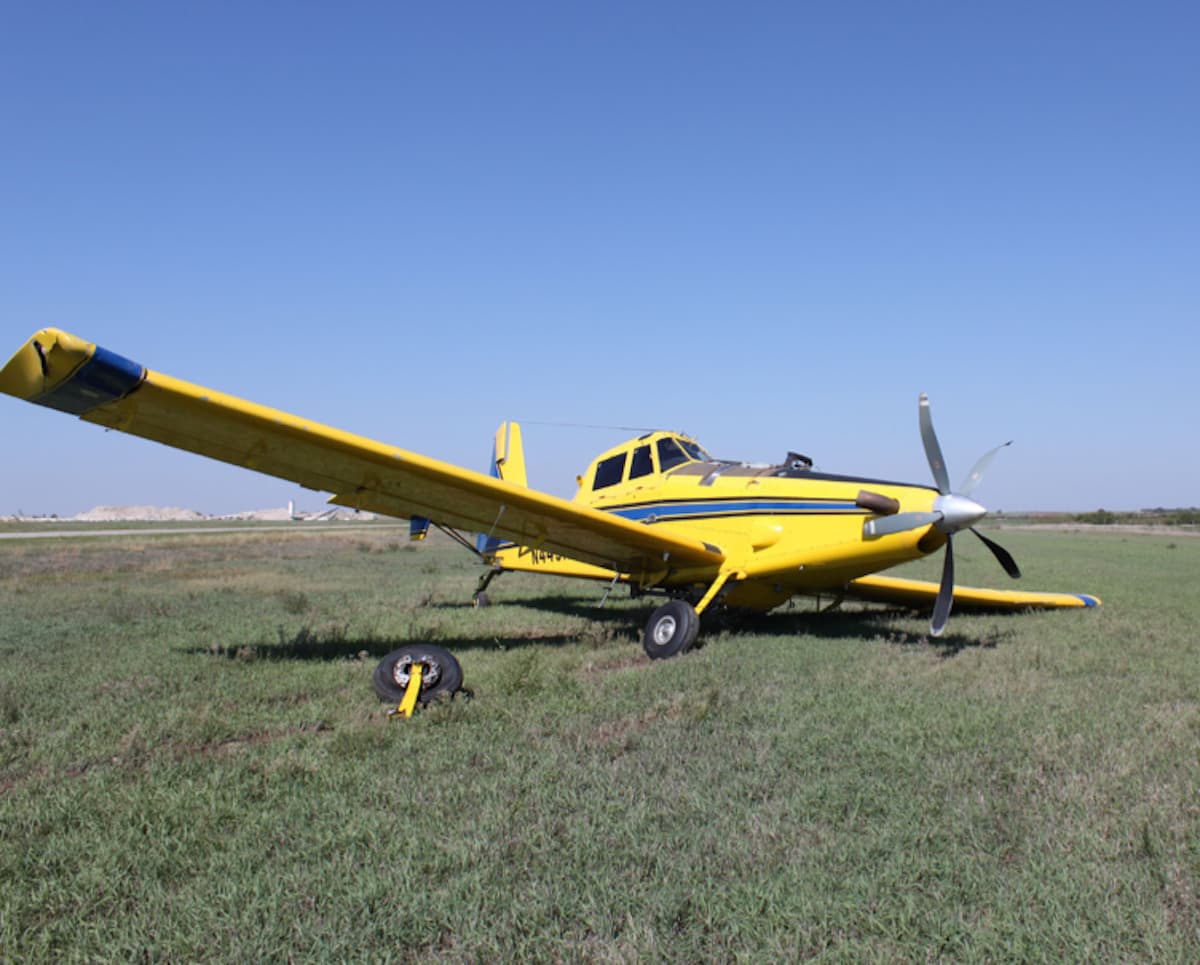
Probable Cause: The design of the spray valve control lever, which restricted the range of the left rear rudder and brake pedal and resulted in a loss of control during landing.
Wrong seat position contributes to crash
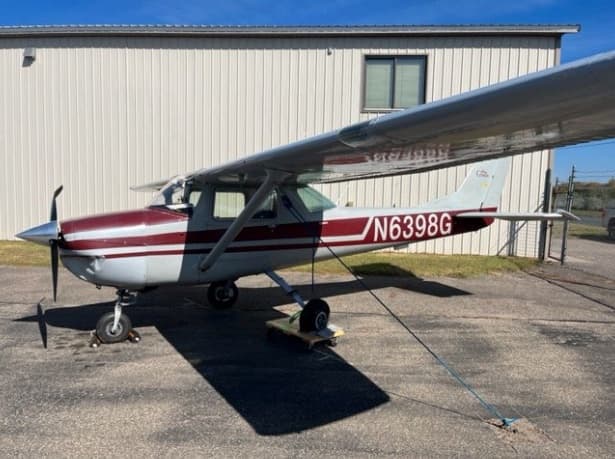
Probable Cause: The pilot’s inadvertent brake application during takeoff which resulted in a loss of directional control and runway excursion. Contributing to the accident was the pilot’s improper seat position.
Poor preflight ends in fuel exhaustion
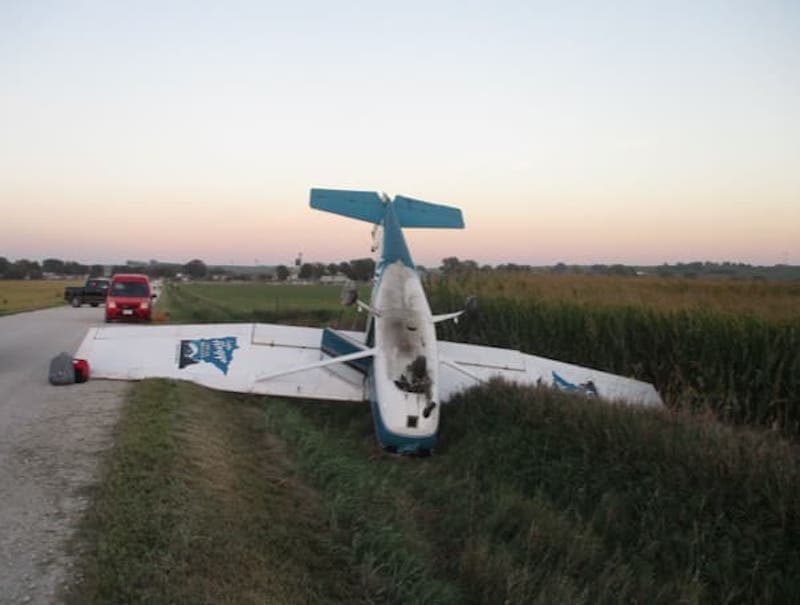
Probable Cause: The pilot’s inadequate fuel planning and improper in-flight decision-making, which resulted in a total loss of engine power due to fuel exhaustion.