

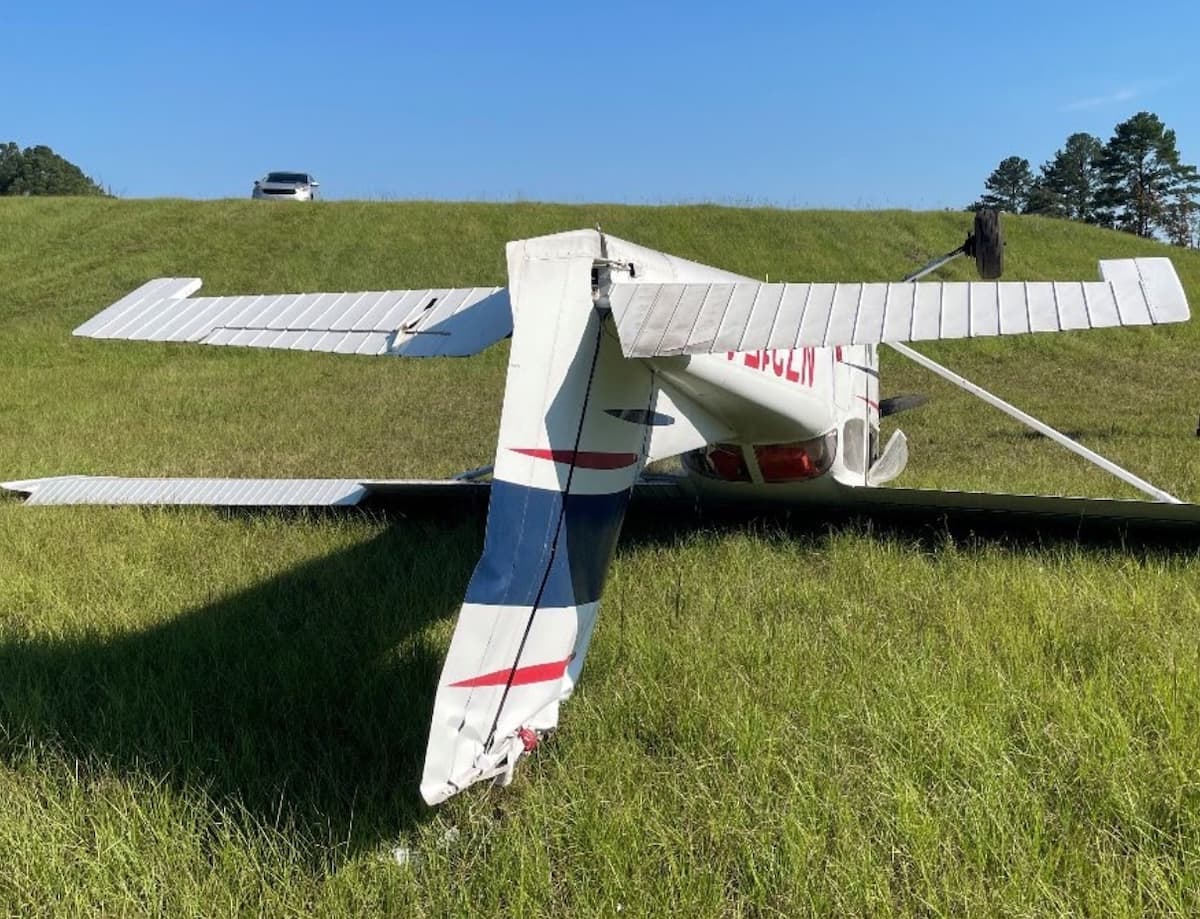
Probable Cause: The excessive airplane speed during a no-flap landing, and the pilot’s failure to attain a proper touchdown point, which resulted in a runway overrun. Contributing to the accident was the interference of the instrument panel wiring with the flight control system.
aviation accidents
Ag Pilot Forgets to Refuel For His Next Flight
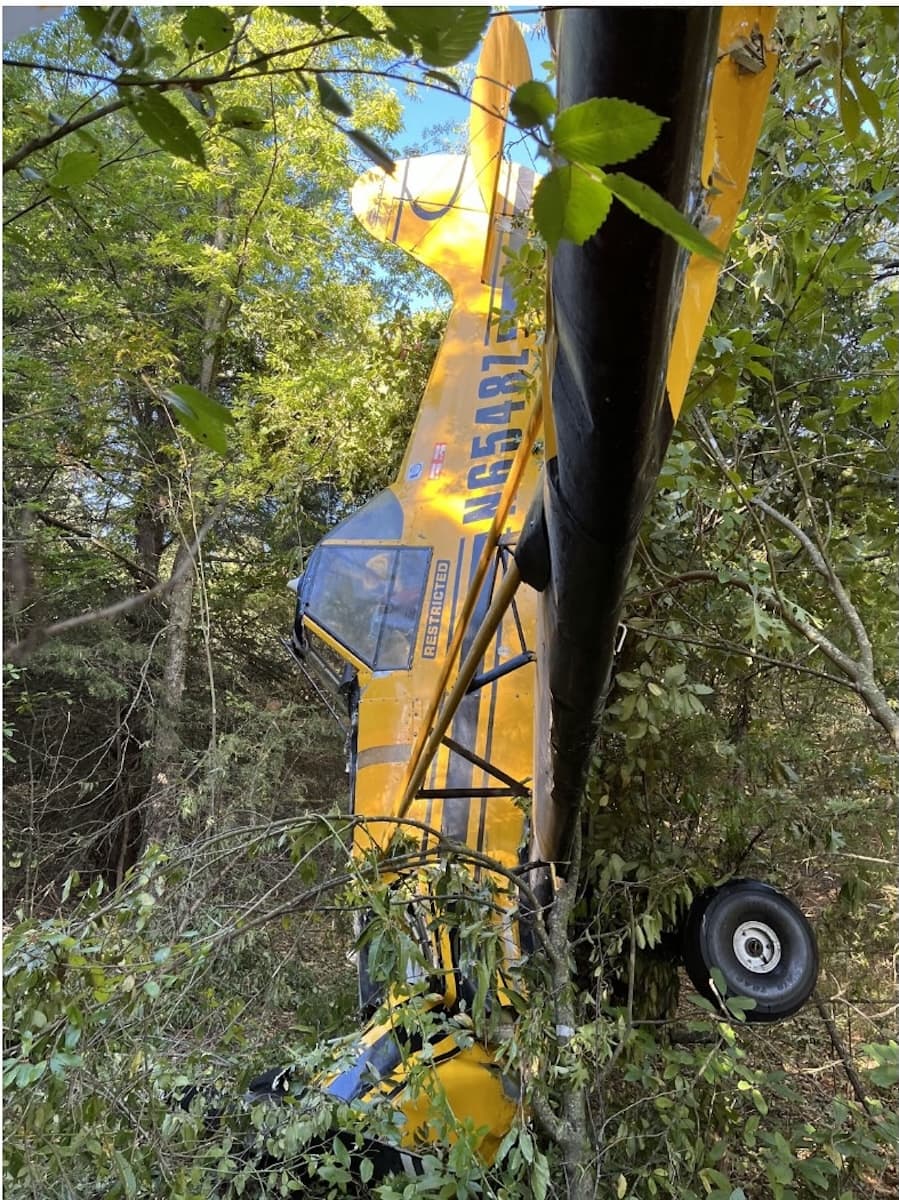
Probable Cause: The pilot’s inattention to refueling during turn-around operations which resulted in a loss of engine power due to fuel exhaustion.
Gulfstream Collides With Cessna 172 While Taxiing
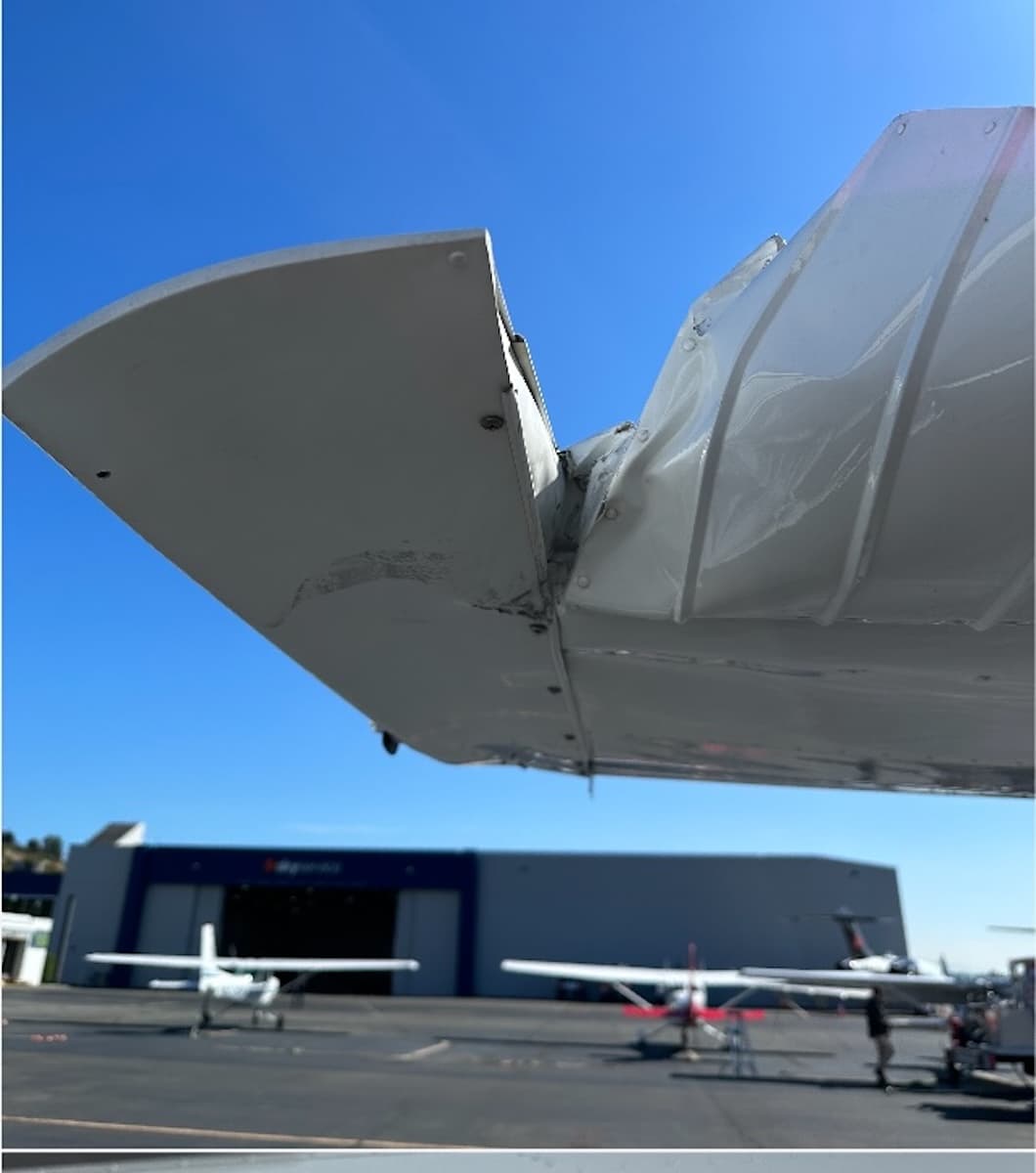
Probable Cause: The Gulfstream pilot’s failure to maintain clearance from the Cessna while taxiing that resulted in a ground collision.
Fuel-Oil Contamination Leads to Cessna 172 Engine Power Loss
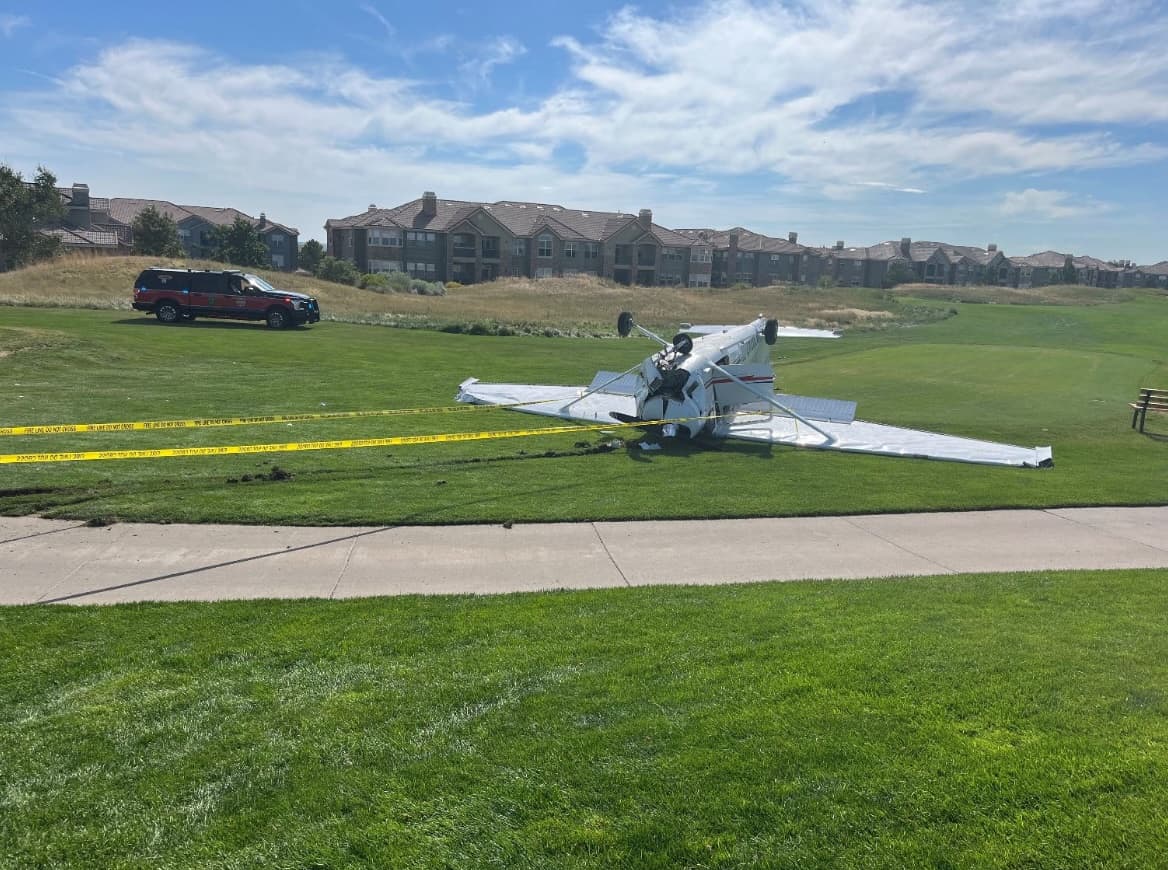
Probable Cause: A partial loss of engine power due to fuel-oil contamination of the fuel injection servo.
Taylorcraft Crash Caused by Loose Magneto

Probable Cause: The partial loss of engine power due to a loose magneto and subsequent impact with terrain.
First Flight After Engine Rebuild Ends in Crash
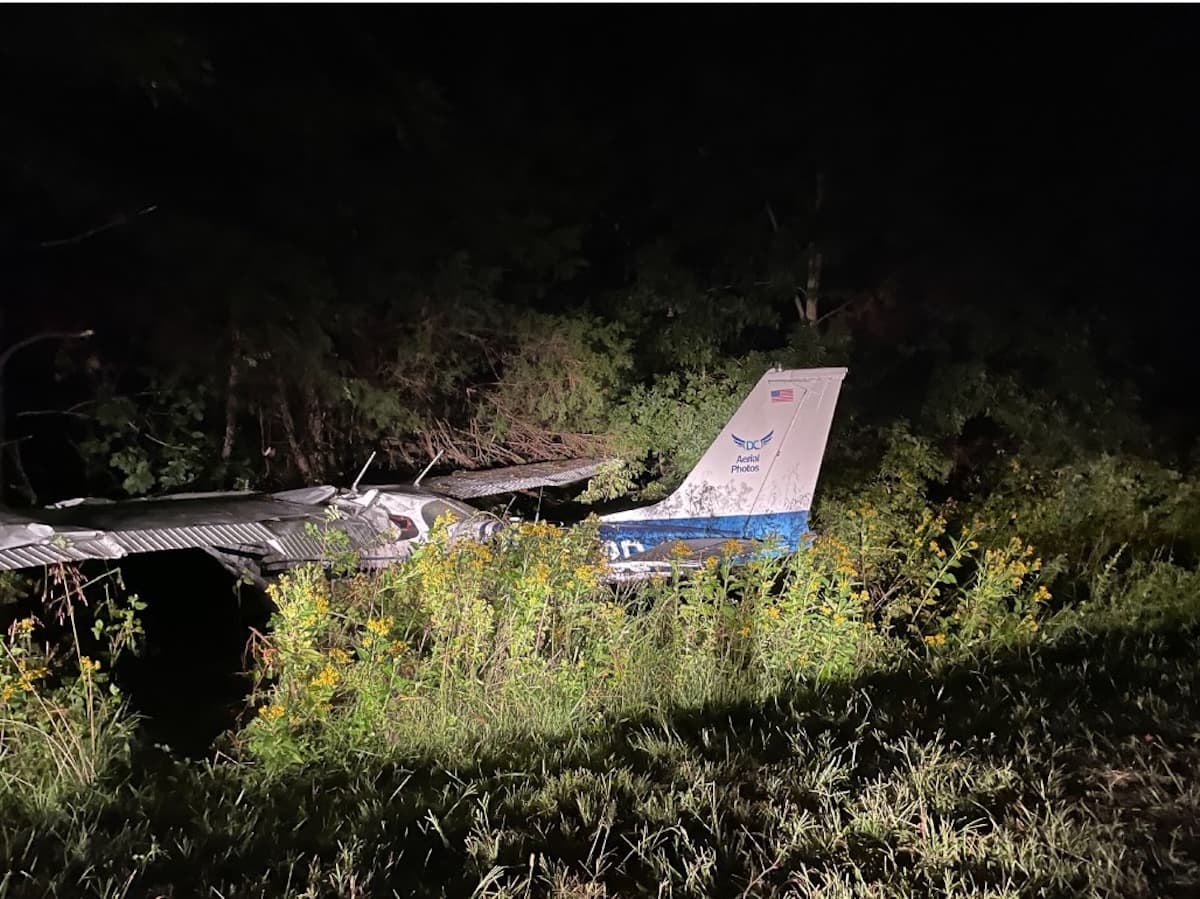
Probable Cause: The pilot’s inadequate fuel planning, which resulted in fuel exhaustion and a subsequent total loss of engine power.
Fatigue Fracture Results in Loss of Engine Power
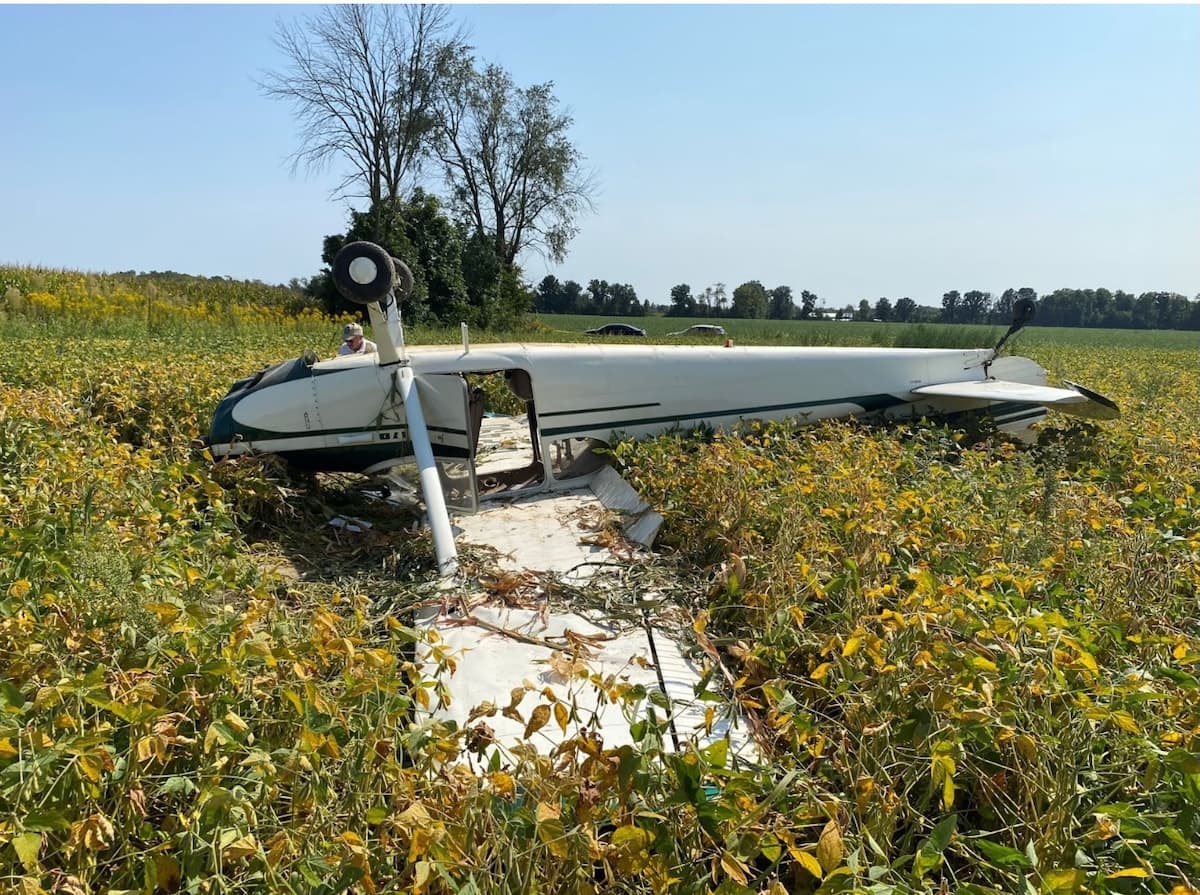
Probable Cause: The fatigue fracture of the No. 6 piston connecting rod, which resulted in a loss of engine power.
Monday Morning Quarterbacks, Second Guessers, and Downright Lies

When aviation accidents occur, the rush to report the news often leads to rampant speculation and harmful misinformation. From armchair analysts on social media to careless journalists, unchecked rumors tarnish the reputation of pilots. It is time for the aviation community to demand accurate, responsible reporting.
Parachutist Collides With Departing Cessna 172
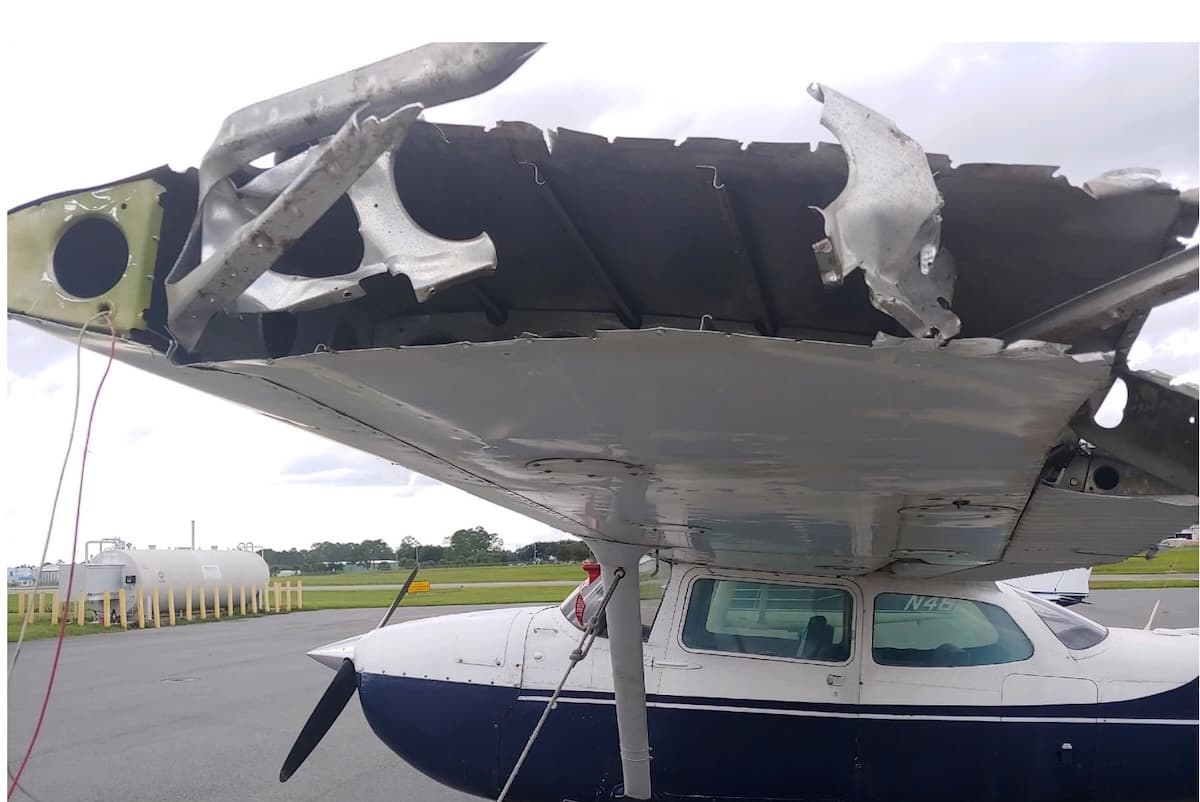
Probable Cause: The parachutist’s failure to control his canopy which resulted in a downwind landing, an overshoot of the drop zone, and collision with a departing airplane.