


Probable Cause: A failure of the right brake during taxi, which resulted in a taxiway excursion and collision with a tree.
aviation accidents
Airport’s Lack of Emergency Response Plan Leads to Accident
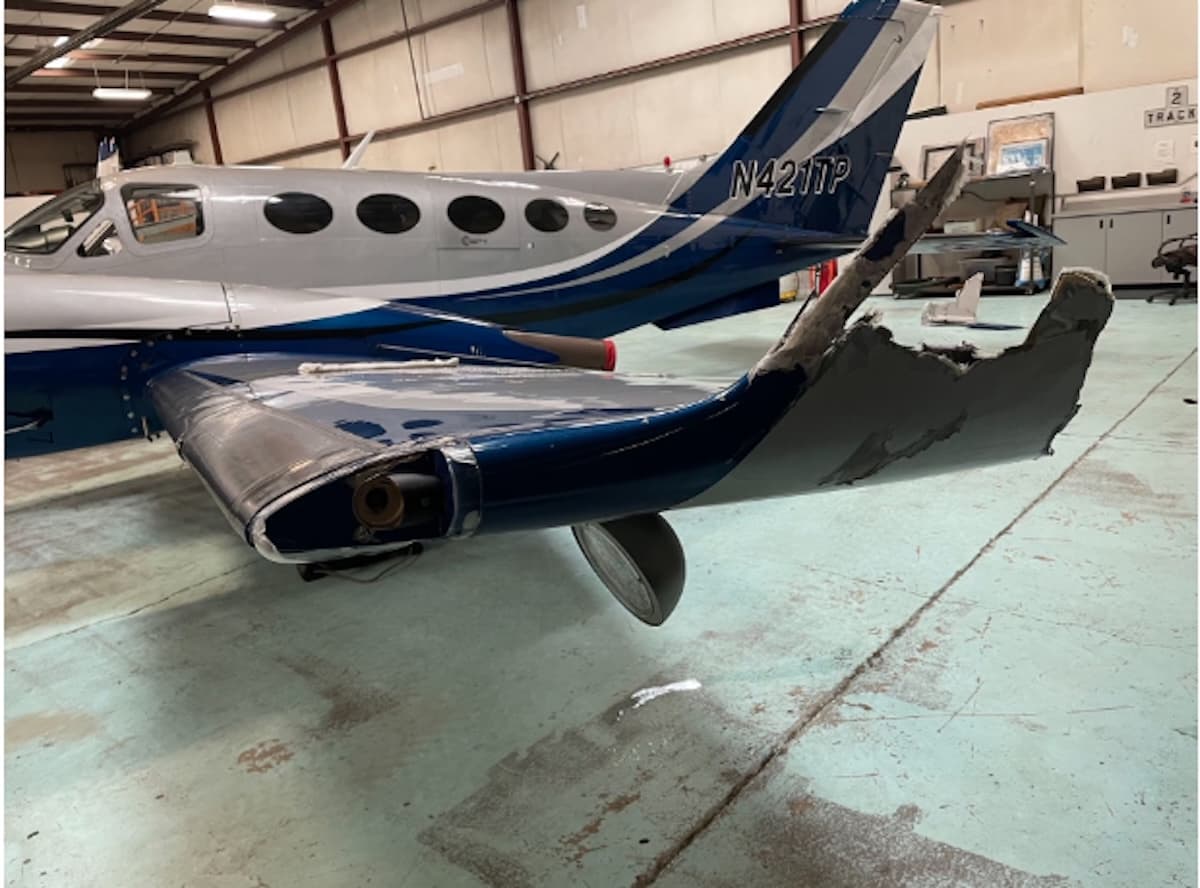
Probable Cause: Airport personnel’s failure to properly prioritize their response actions, including updating the airport’s automated weather observation system recording in a timely manner to notify incoming pilots of a runway closure, which resulted in an airplane striking an immobilized airplane on the runway during landing at night. Contributing to the accident was the airport’s inadequate emergency response plan.
Fuel Starvation Followed By Forced Landing in a Field
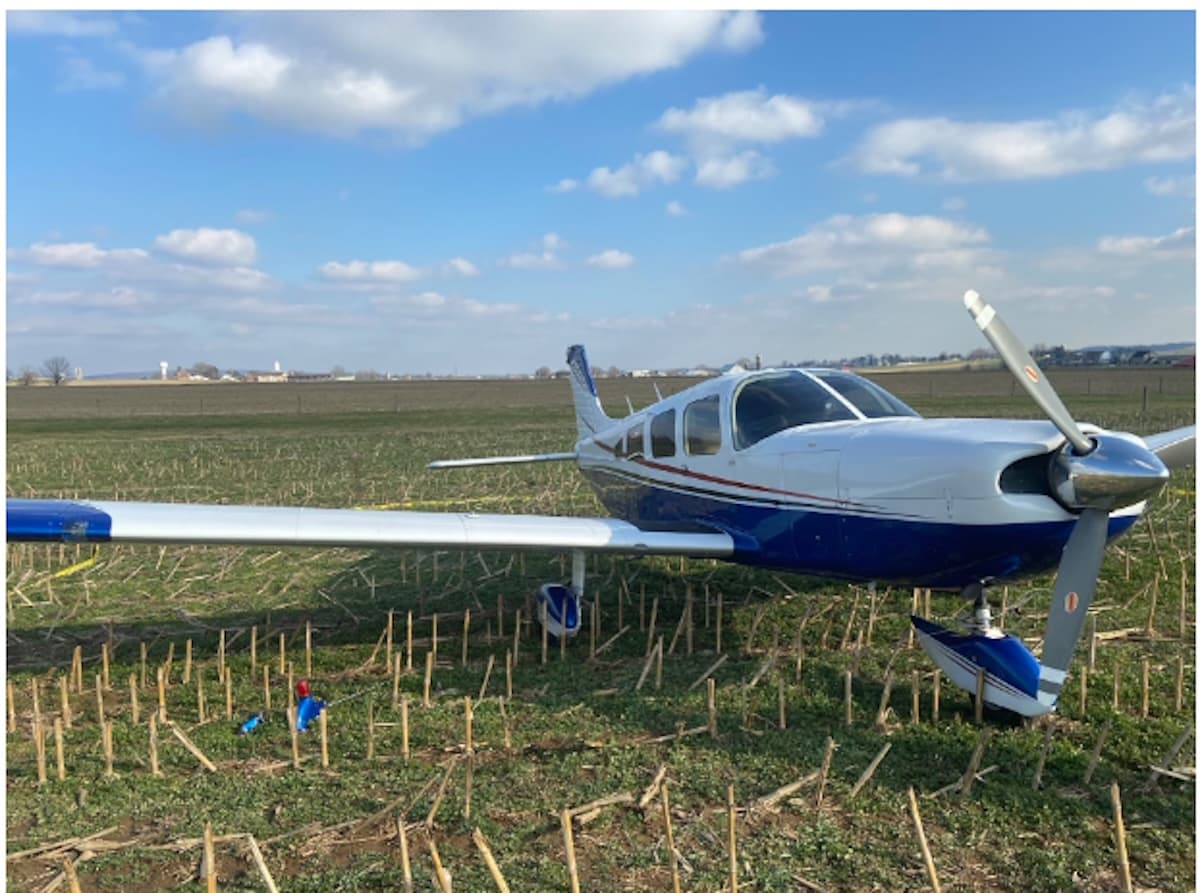
Probable Cause: The pilot’s improper fuel management resulting in fuel starvation, a total loss of engine power, and subsequent off-airport forced landing.
Training Flight Ends In Gear-Up Landing

Probable Cause: The pilot’s failure to extend the landing gear and the flight instructor’s lack of recognition and inadequate remedial action, which resulted in a gear up landing.
Fatal Accident Rate Down So Far in FY 2026
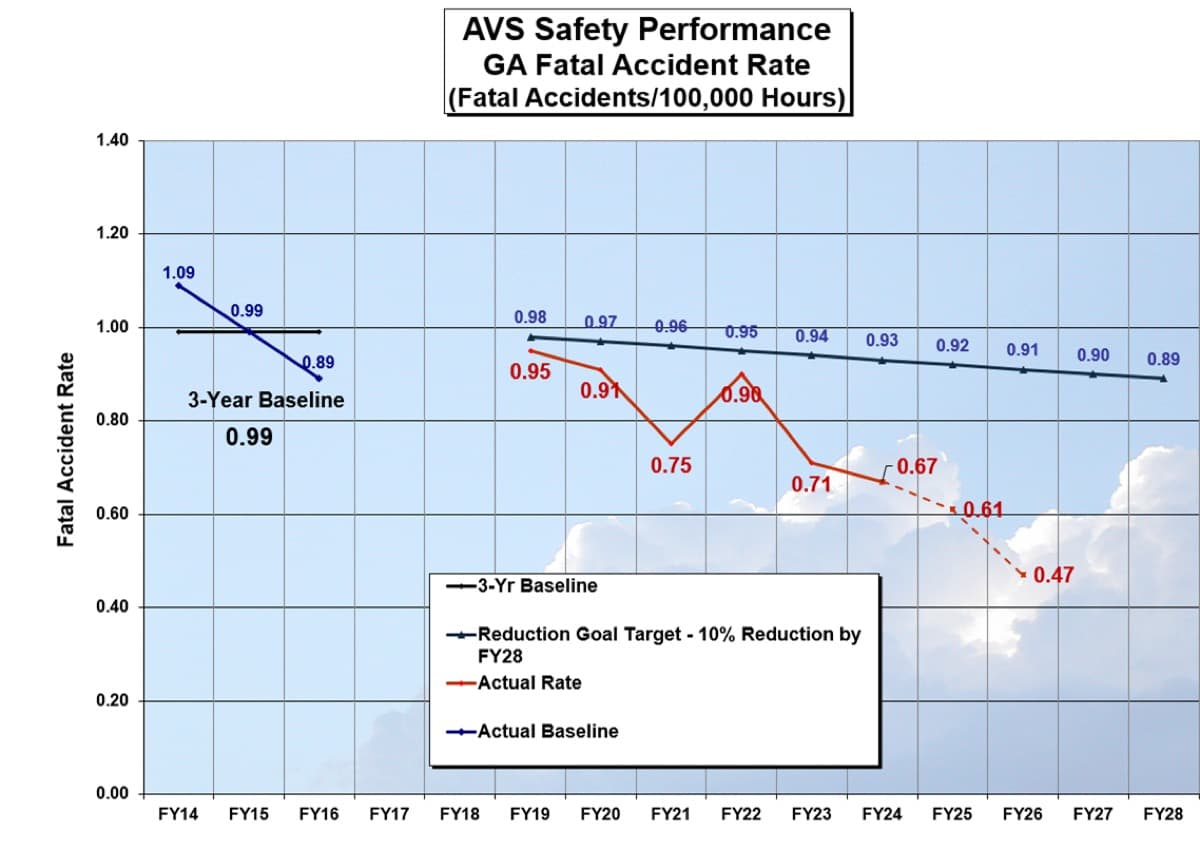
The estimated GA fatal accident rate for fiscal year 2026, which began October 2025, is at 0.47 accidents per 100,000 flight hours as of Jan. 15, 2026, “well below the yearly target of 0.91,” according to officials.
Student Loses Control During Crosswind Landing

Probable Cause: The student pilot’s failure to maintain control of the airplane during the crosswind landing, which resulted in the airplane drifting off the left side of the runway and into trees.
What Can We Learn From Studying 100 Years of Aviation Research?

Analyzing more than 1,600 aviation-related studies published between 1937 and 2023, Embry-Riddle Aeronautical University researchers discovered that human error remains the leading cause of aviation accidents, responsible for nearly 75% of all general aviation accidents in recent years.
Glider Pilot Injured When Tow Plane Loses Power

Probable Cause: The glider pilot’s failure to release from the towline after the tow plane experienced a loss of engine power.
Carb Icing Leads To Total Loss Of Engine Power

Probable Cause: The total loss of engine power due to carburetor icing and the pilot’s failure to utilize carburetor heat in meteorological conditions conducive to the formation of carburetor icing.