

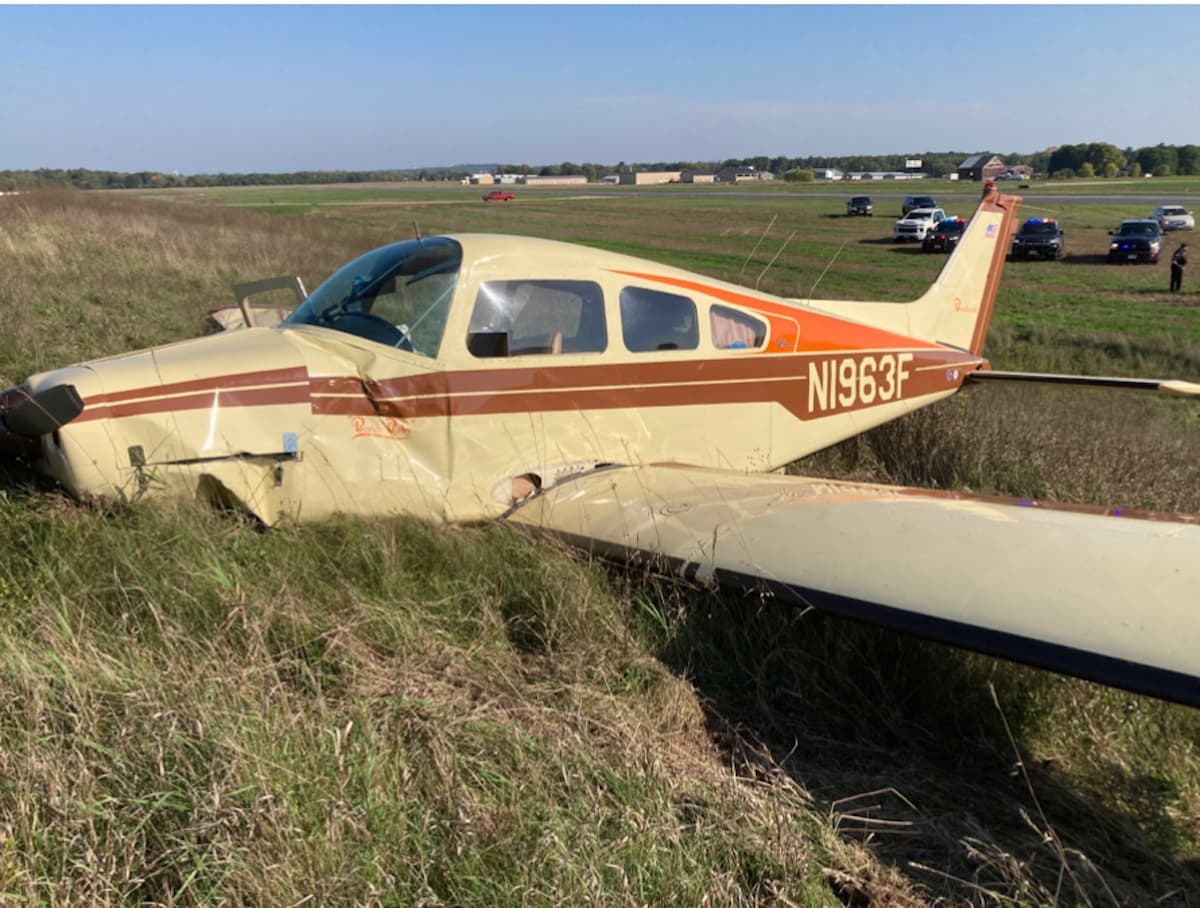
Probable Cause: The pilot’s failure to maintain directional control during the go-around, that resulted in a runway excursion and an impact with terrain.
aviation accidents
Experts unpack real-world accidents in new Spotlight on Safety

“As we all know, this has been a year marked by a number of troubling incidents and tragic accidents, including those involving business aviation,” said NBAA President and CEO Ed Bolen. “Some of this year’s incidents have involved longstanding root causes. By examining actual recent events with known causal factors, we can highlight the best practices needed to mitigate the likelihood of similar outcomes in the future.”
Pilot crashes while distracted by sick passenger
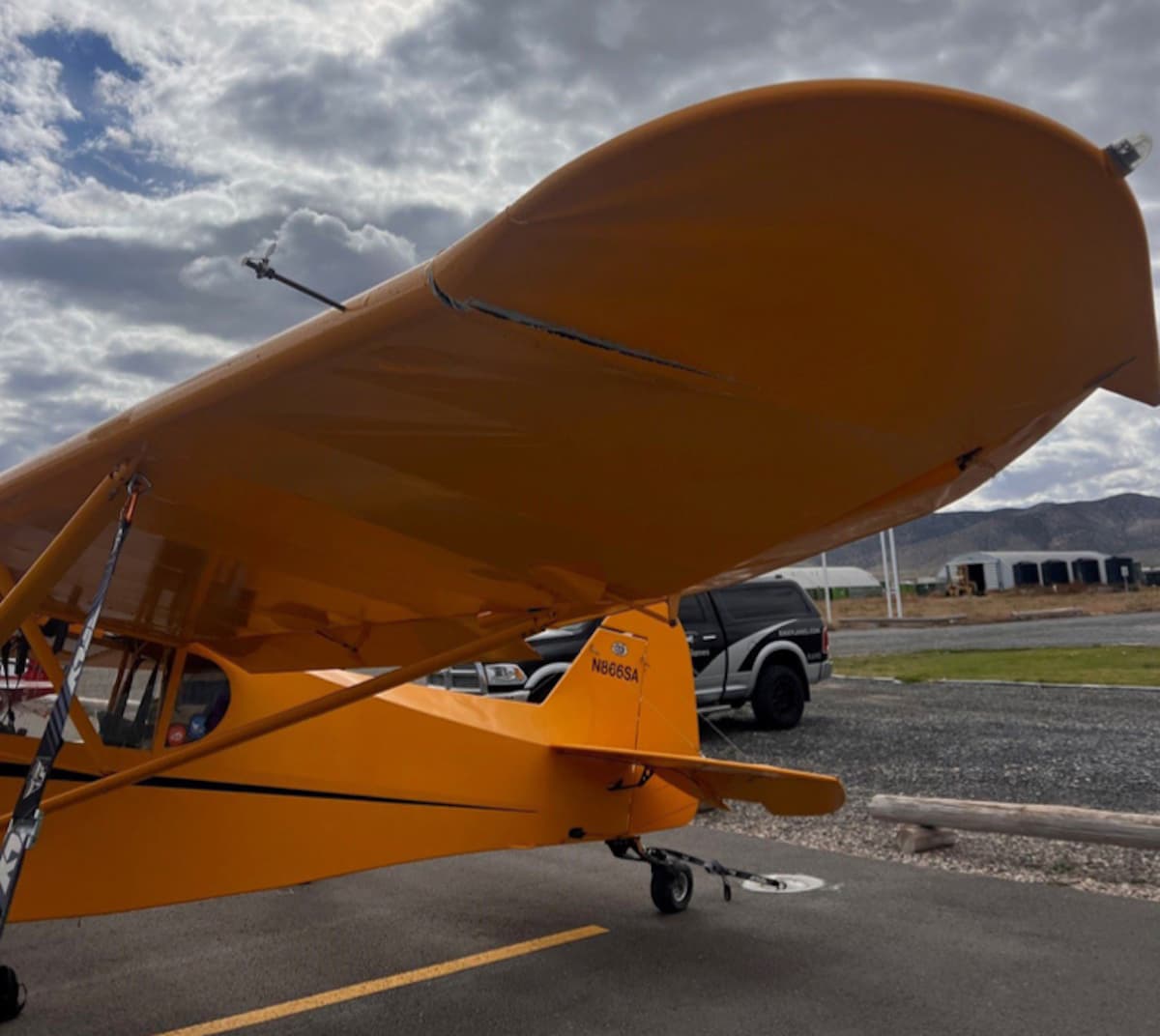
Probable Cause: The pilot’s failure to maintain airplane control during the landing, which resulted in a ground loop.
Student hits fuel truck
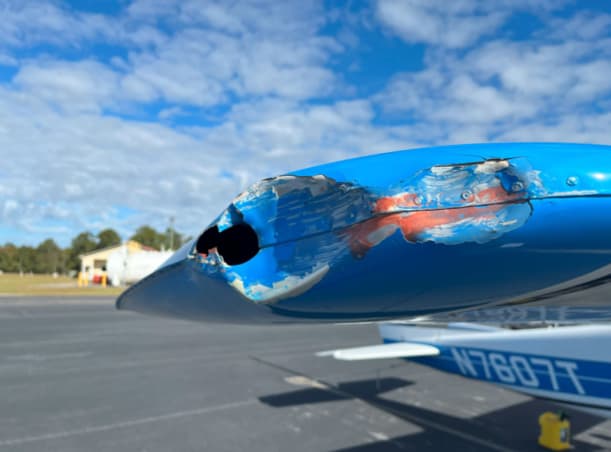
Probable Cause: The student pilot’s failure to maintain adequate clearance from a fuel truck while taxiing. Also contributing was the flight instructor’s inadequate monitoring of the student pilot.
Pilot loses control during aborted landing
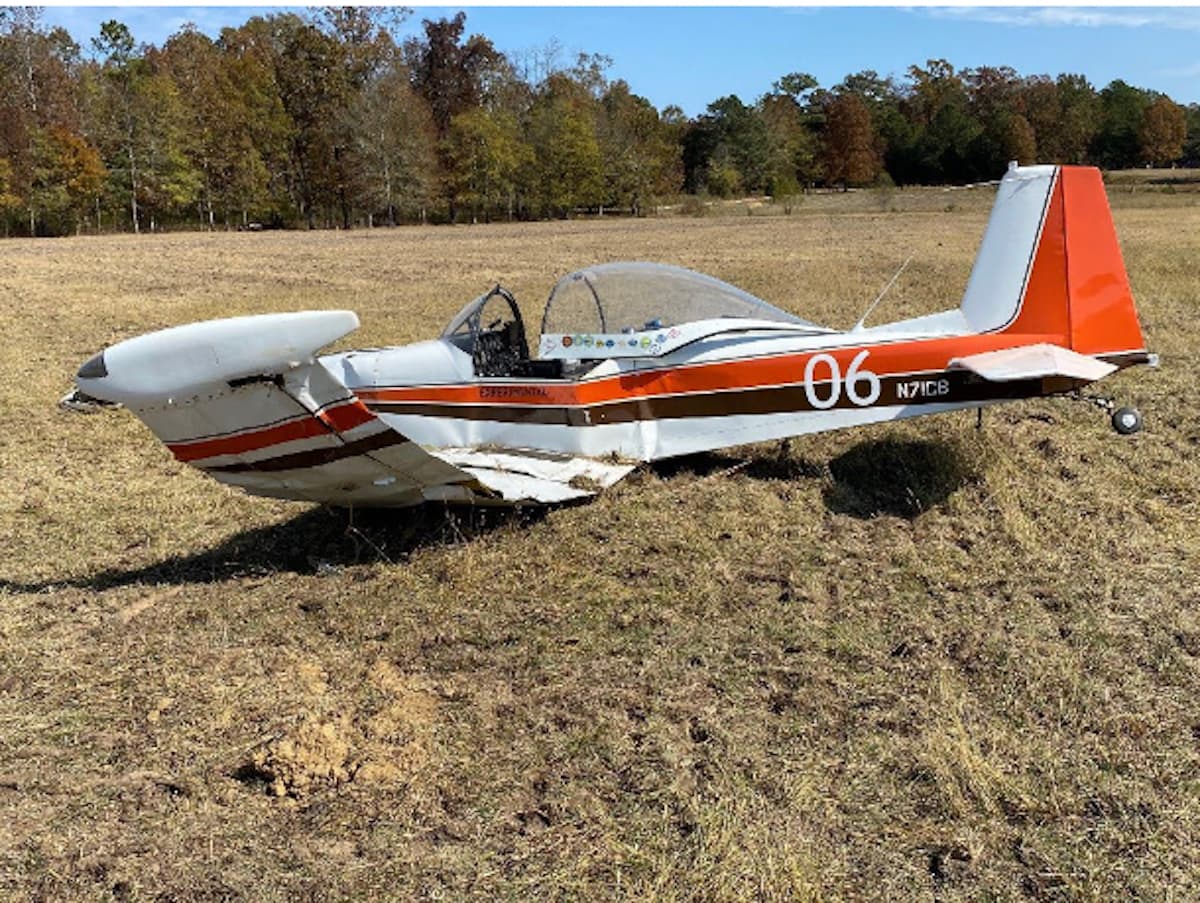
Probable Cause: The pilot’s failure to maintain control of the airplane during initial climb after an aborted landing, which resulted in an aerodynamic stall and impact with terrain.
Pilot inadvertently retracts landing gear when he meant to retract flaps
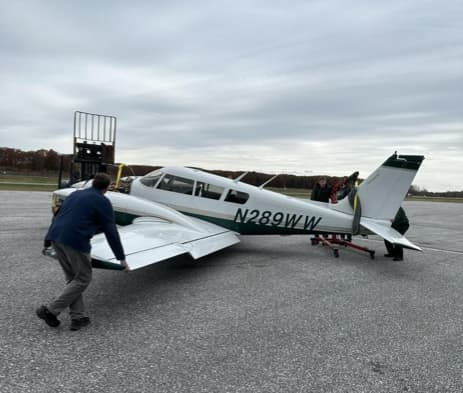
Probable Cause: The pilot’s inadvertent retraction of the landing gear during landing rollout, which resulted in a landing gear collapse.
C172 bent when pilot lands on closed waterlogged grass runway

Probable Cause: The pilot’s decision to land at a closed water-soaked grass runway, which resulted in a runway excursion.
Mooney’s test flight goes awry
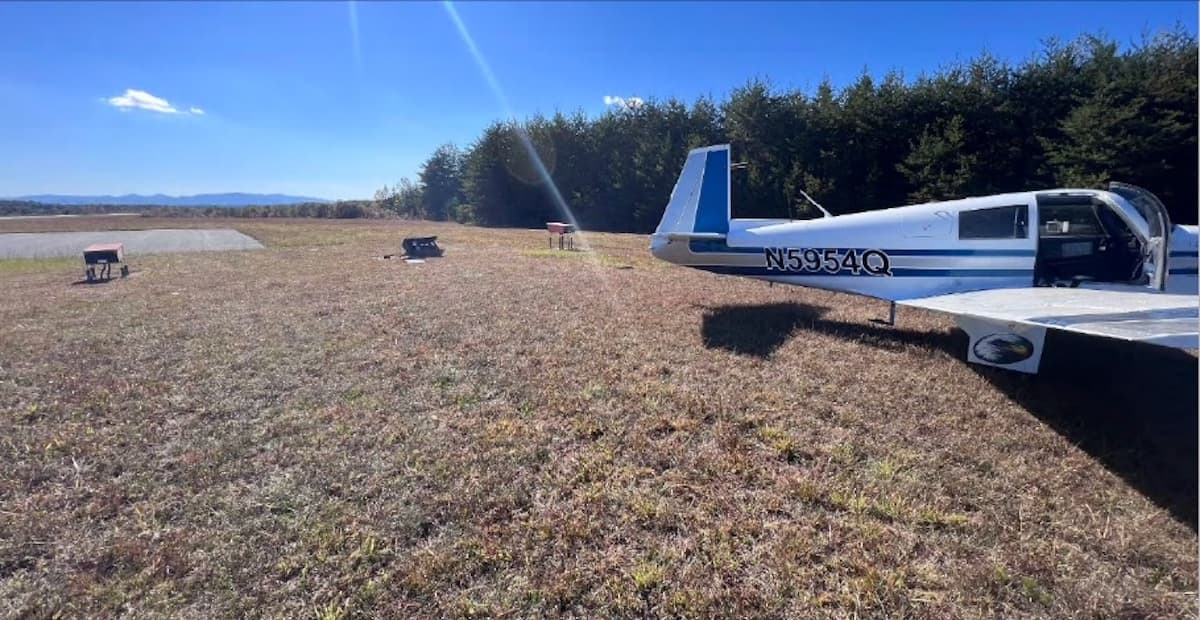
Probable Cause: The pilot’s failure to maintain directional control during the takeoff roll, which resulted in a runway excursion and an impact with the runway’s precision approach path indicator (PAPI) lights.
Seized piston leads to total loss of engine power in plane not flown in 10 years
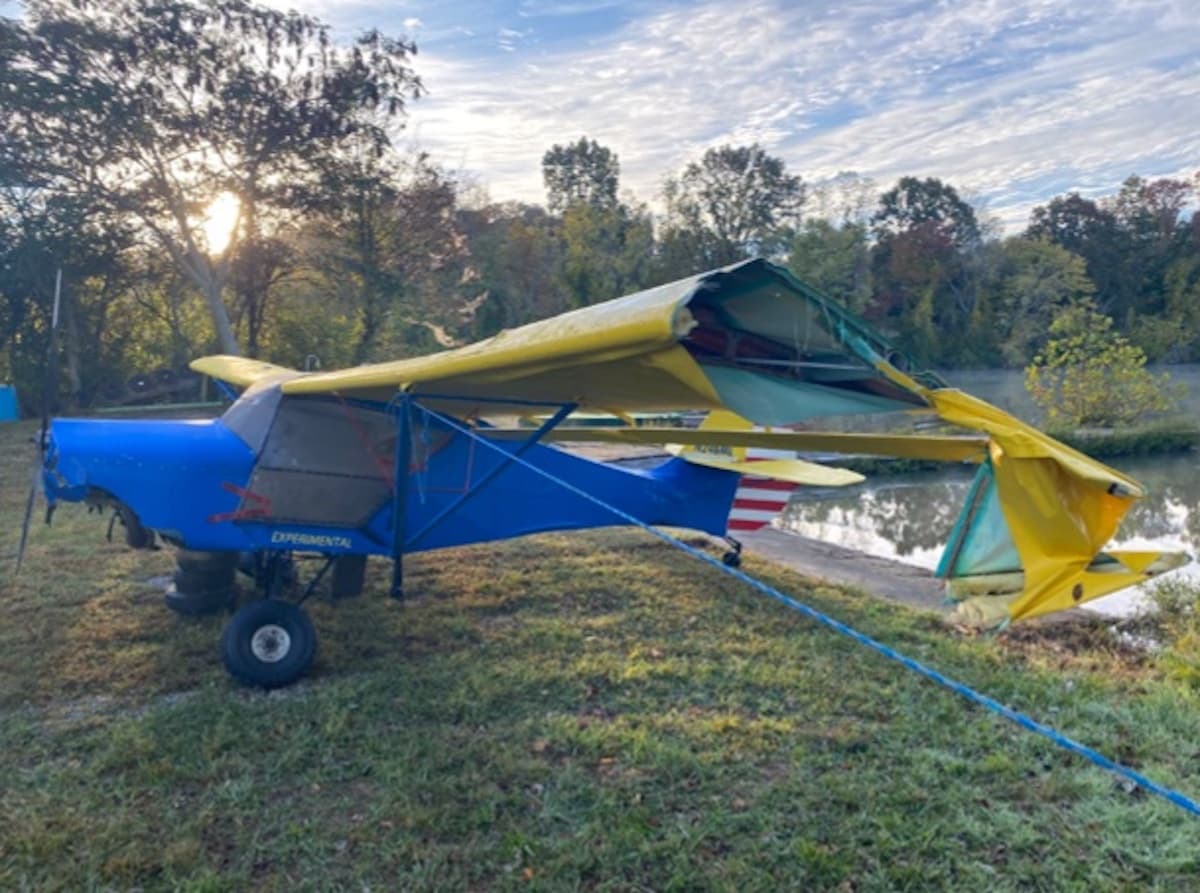
Probable Cause: A total loss of engine power due to a seized piston in the power take-off cylinder.