

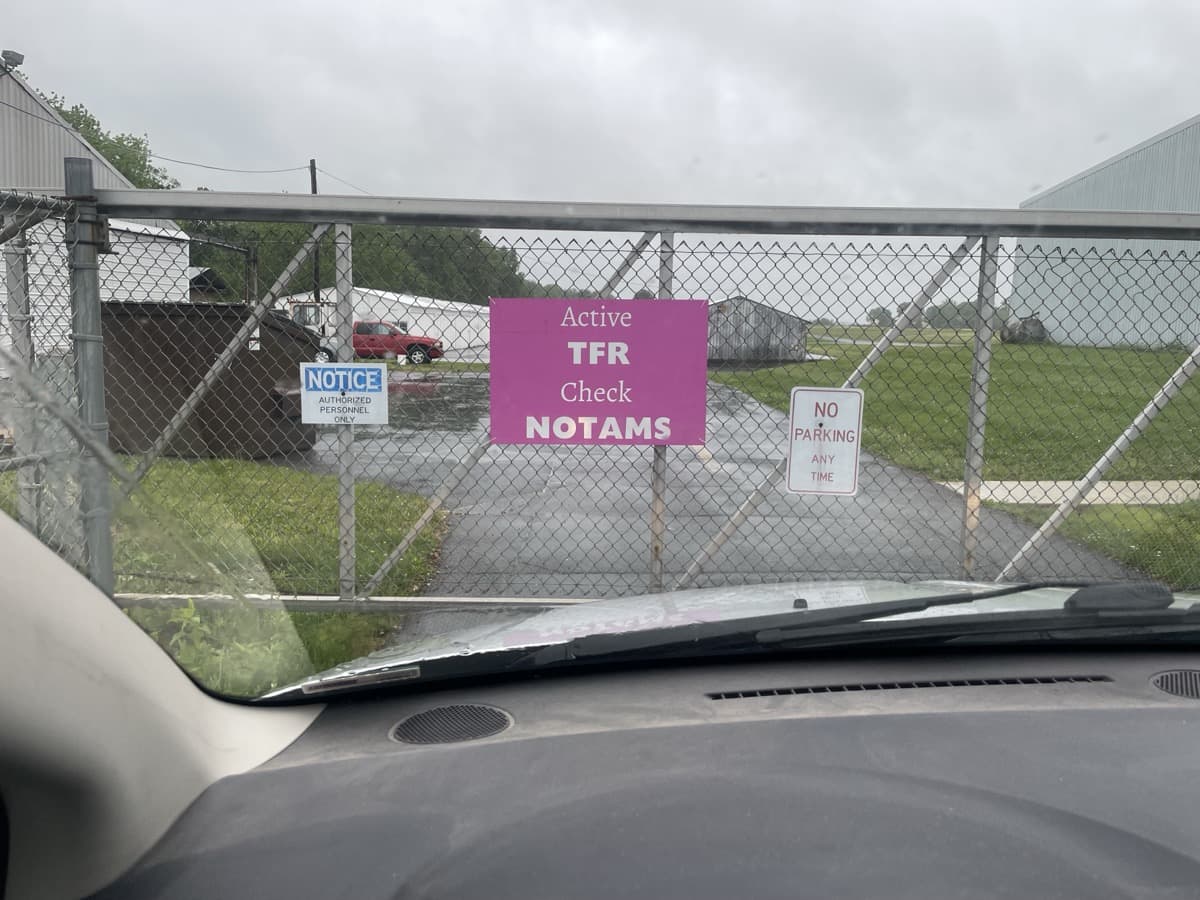
Christina, a student pilot in Florida, writes: My CFI was telling me about expectation and confirmation bias today, but I couldn’t help wondering: Is this really a thing? I mean, I understand the theory – on paper – but it’s hard for me to get my head around it really happening. Is this truly a serious threat?
Questions from the Cockpit
Questions from the Cockpit: Catching Some Zs
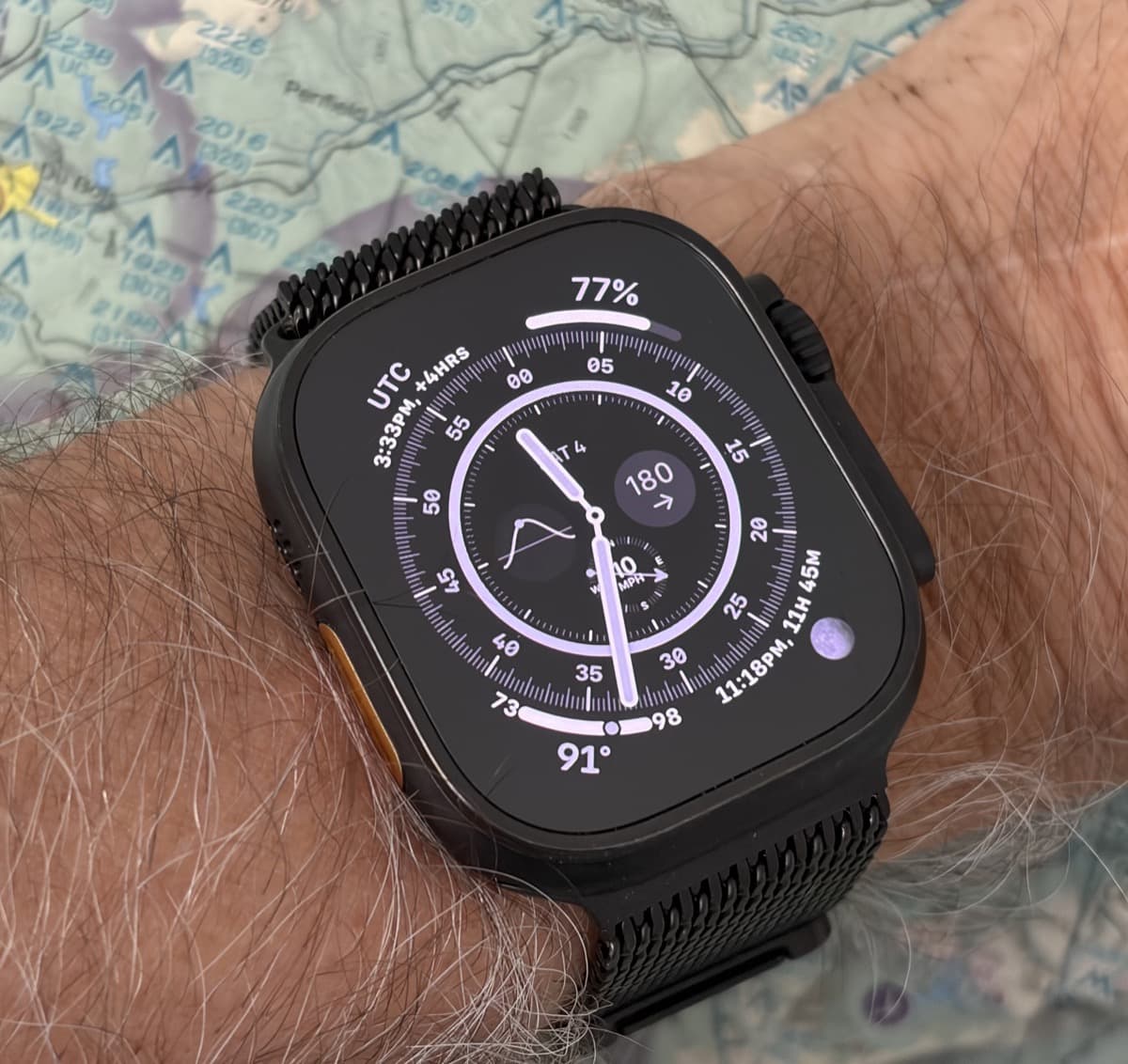
Amy, a student pilot in Texas, writes: Why is UTC time called Zulu? I’m not wrapping my head around where the “Z” comes from.
Questions From The Cockpit: How Do Rotary Engines Work?
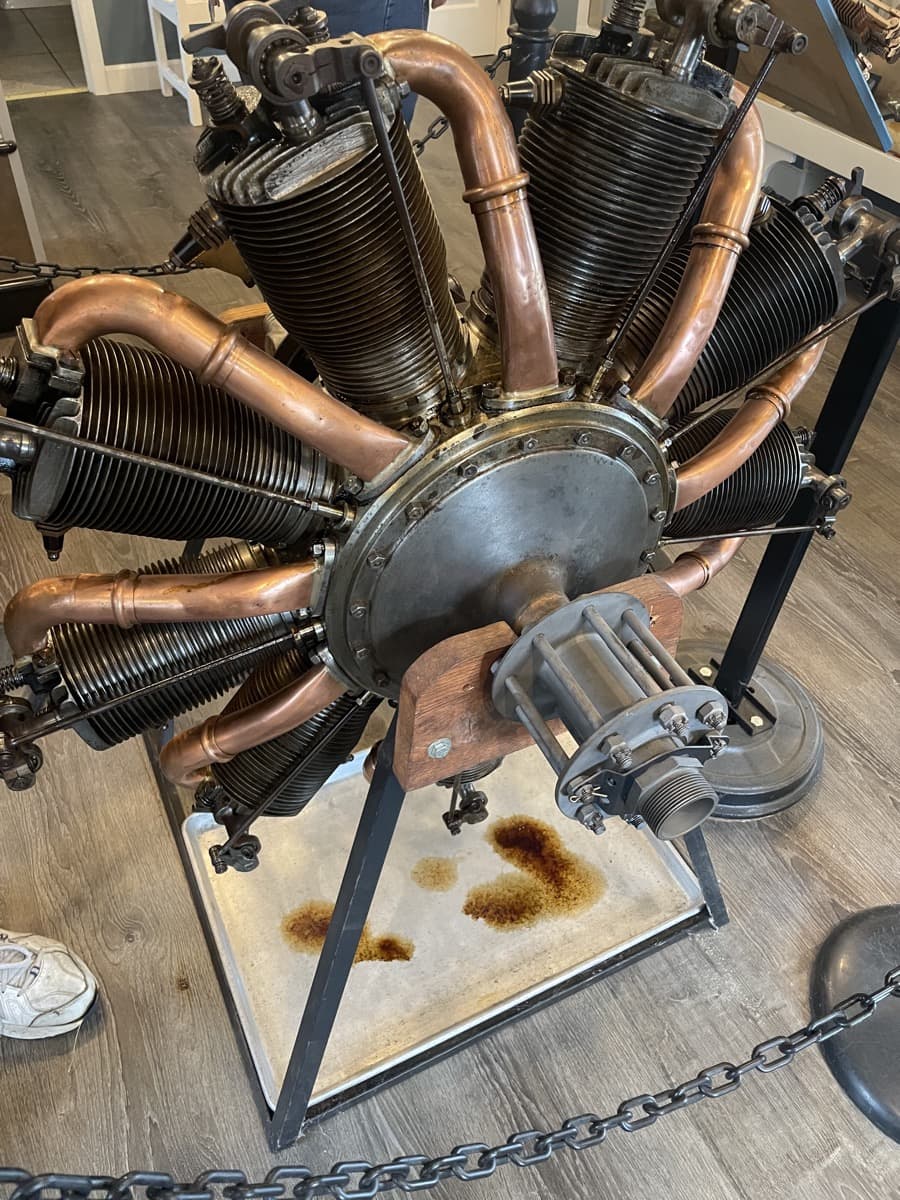
Amanda, a private pilot in Minnesota, writes: I was reading about the early aviation engines, and with the rotary engine, the entire engine spun. How on earth did that work with getting spark to the cylinders? Obviously cables were out…
Questions From The Cockpit: Why Are They Called Wig-Wag Lights?
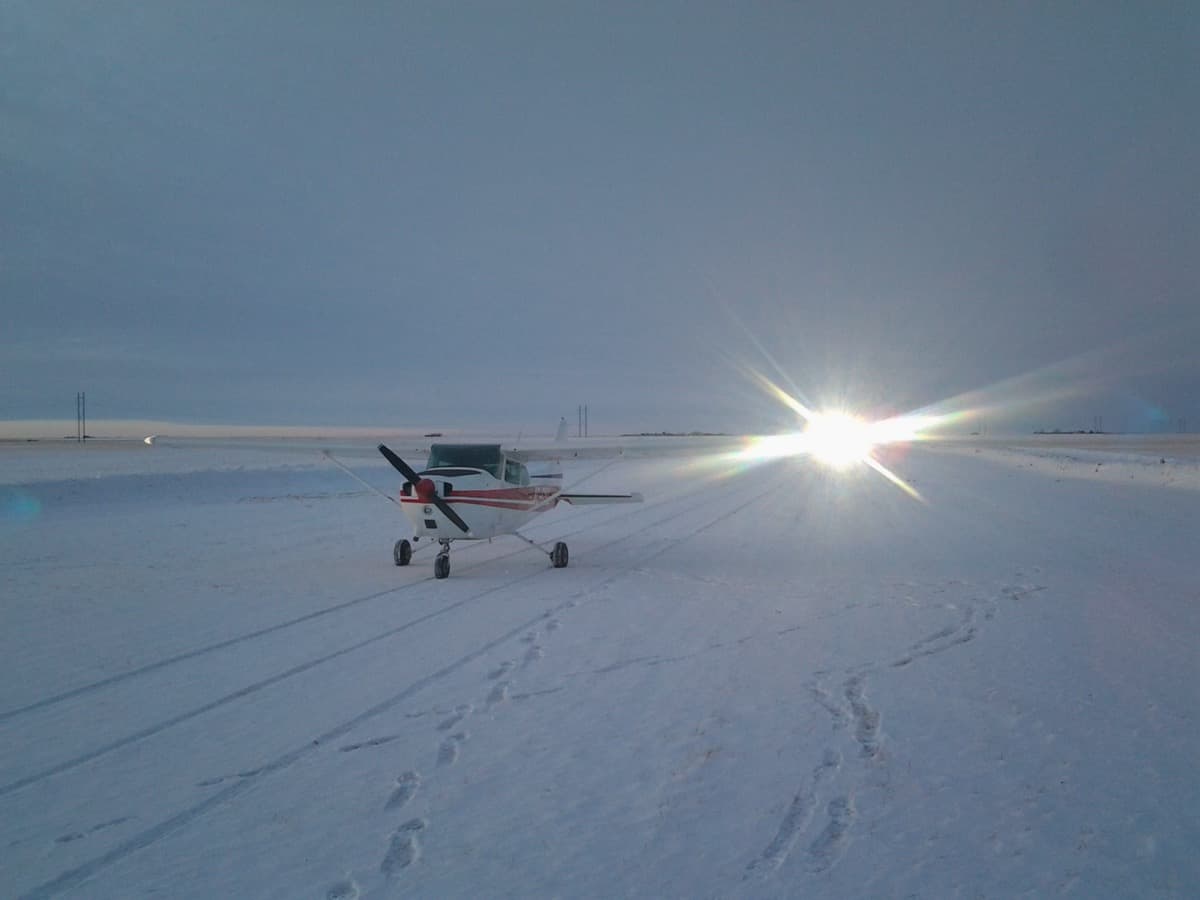
Curtis, a student pilot in Arizona, writes: On a training flight yesterday I saw an airplane coming in to land that had landing lights on the wings that were alternately flashing off and on. My CFI said that it was a “wig-wag” system. Such a funny name. I’m wondering where it came from.
Questions from the Cockpit: Decoding Cessna Performance Charts for Grass Runway Landings

Justin, a student pilot in Florida, writes: I’ve been studying the performance charts in my Cessna 172’s POH and was surprised to see a note on the short field landing table that said to add 45% to the figures for landing on grass. Why do you need more landing distance on a soft field? Shouldn’t the surface friction slow the plane down more than on pavement?
Questions from the Cockpit: System Evolution

George, a commercial pilot in Iowa, writes: In a recent column about the history of flight training, you said that while flight training hasn’t changed much over time, systems have become more complex. Don’t we really still have the same systems? Other than instruments, aren’t airplanes pretty much the same? We have powerplant, fuel, electrical, pitot-static systems…”
Questions from the Cockpit: Slow to the Party
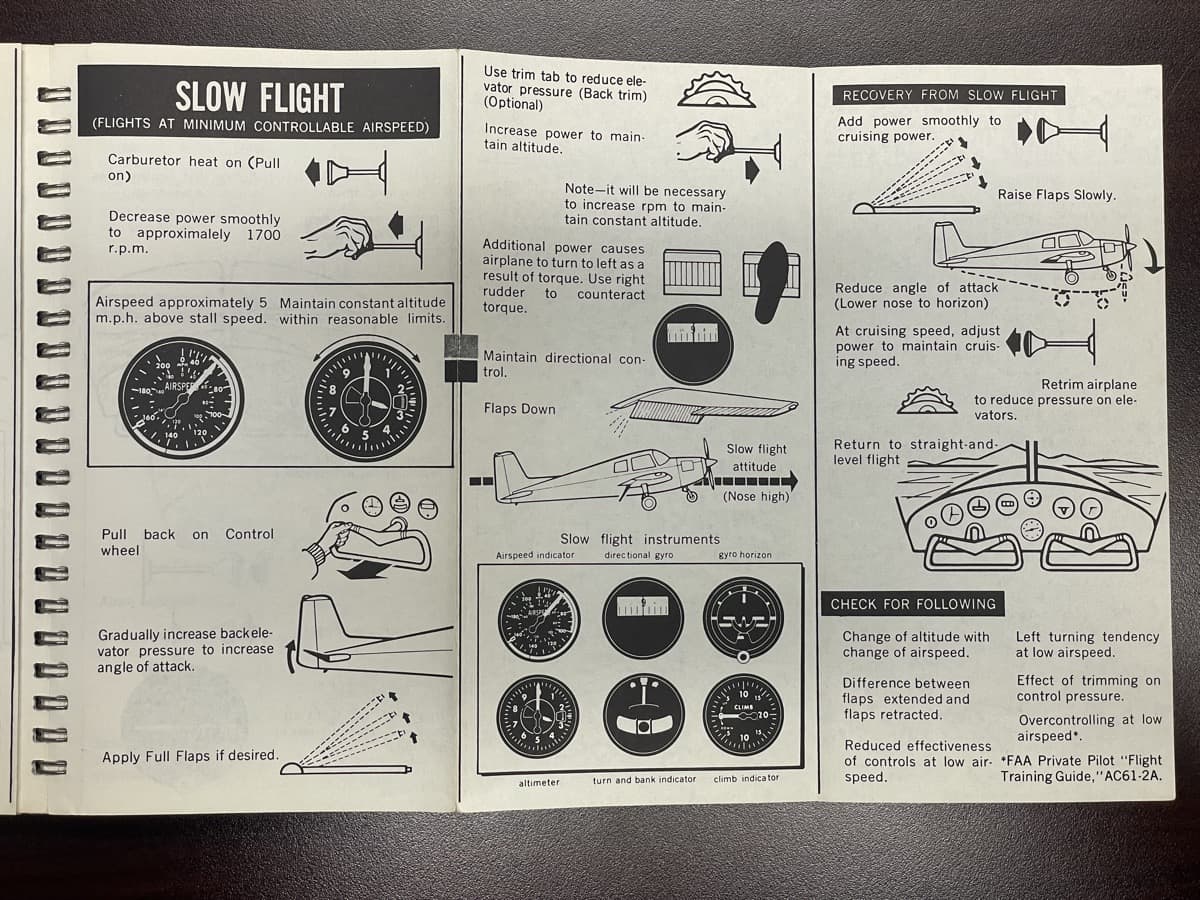
Kimberly, the spouse of a pilot-in-training in Arizona, asks: With all the changes in aviation over the last few decades, how has the current training of pilots changed, compared to previous generations?
Questions from the Cockpit: Pirates of the Sky

Adam, an airline pilot based out of Texas, writes: “I recently watched the Japanese cartoon Porco Rosso with my little nephew. Afterward he asked me if there were really seaplane pirates back in the day. I told him that I thought they were probably fictional, but that years ago one of my teachers was ‘William Fly, the Airplane Guy’ and he would know for sure – so I’m asking you!”
Questions from the Cockpit: Complicated Characteristics

Trey, a student pilot in Colorado, writes: “I’m having a hard time wrapping my head around the difference between maneuverability and controllability, I don’t think I’m stupid, but…”