


Alison Tantillo submitted this photo and note: “I have a bucket list of flights I want to accomplish in a Cessna 172 and this flight was on the top of that list. I was able to go up with my friend on a day trip to Niagara Falls departing from New Jersey. Most amazing flight I have done to date and would recommend to any pilot.”
In-Flight Weather Radar Is Failing General Aviation
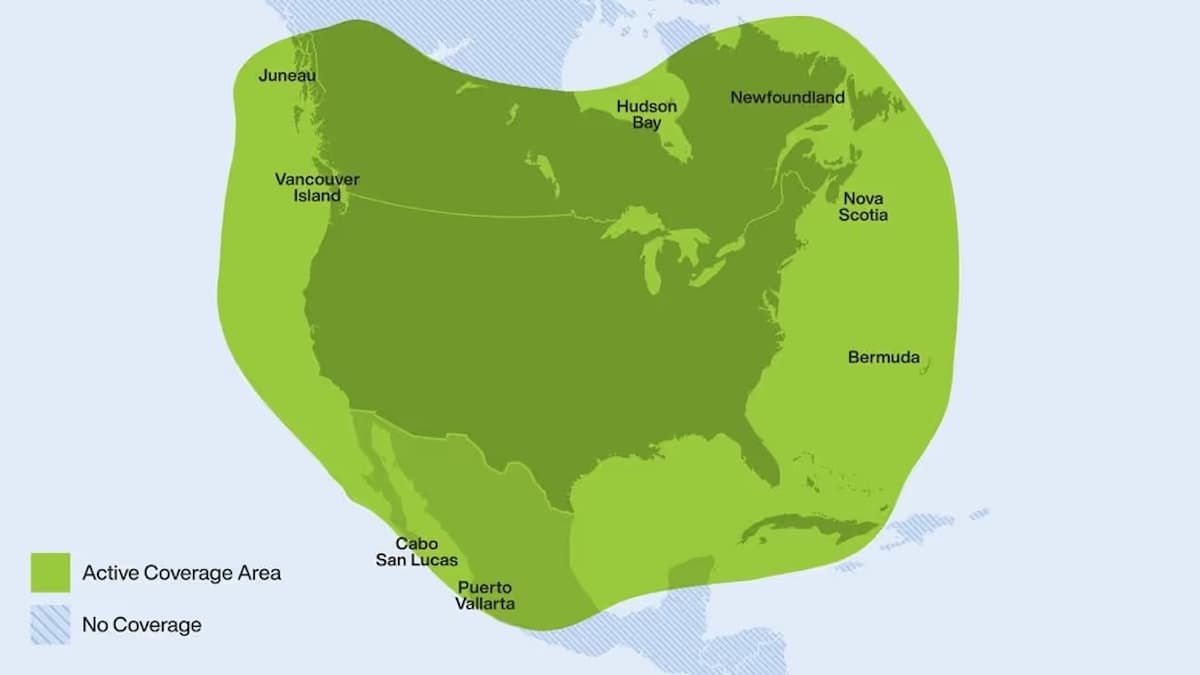
Pilots rely heavily on cockpit technology, but is critical safety data actually reaching your screen? While ground radar covers popular routes like the Bahamas, many subscription services leave in-flight weather radar out of the cockpit. It’s time for aviators to demand better coverage.
Where’s Jamail? In Raleigh, Where Kids Are Ready to Book Air Taxis
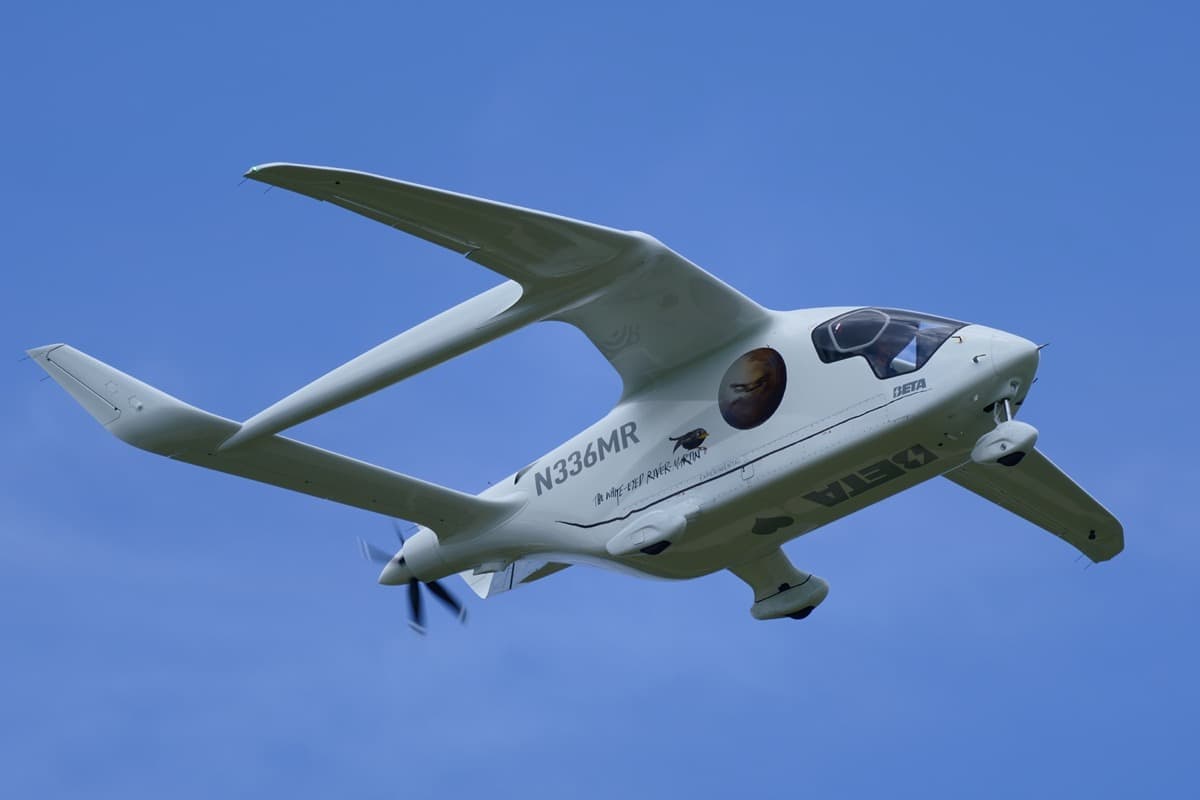
The DreamLaunch Tour is back on the road, connecting students with resources and scholarships for future aviation careers. At a recent stop in Raleigh, North Carolina, students were especially energized by the emerging air taxi industry and the opportunities it presents for aspiring young aviation professionals.
Samson Sky Raises $80 Million for Flying Car Production
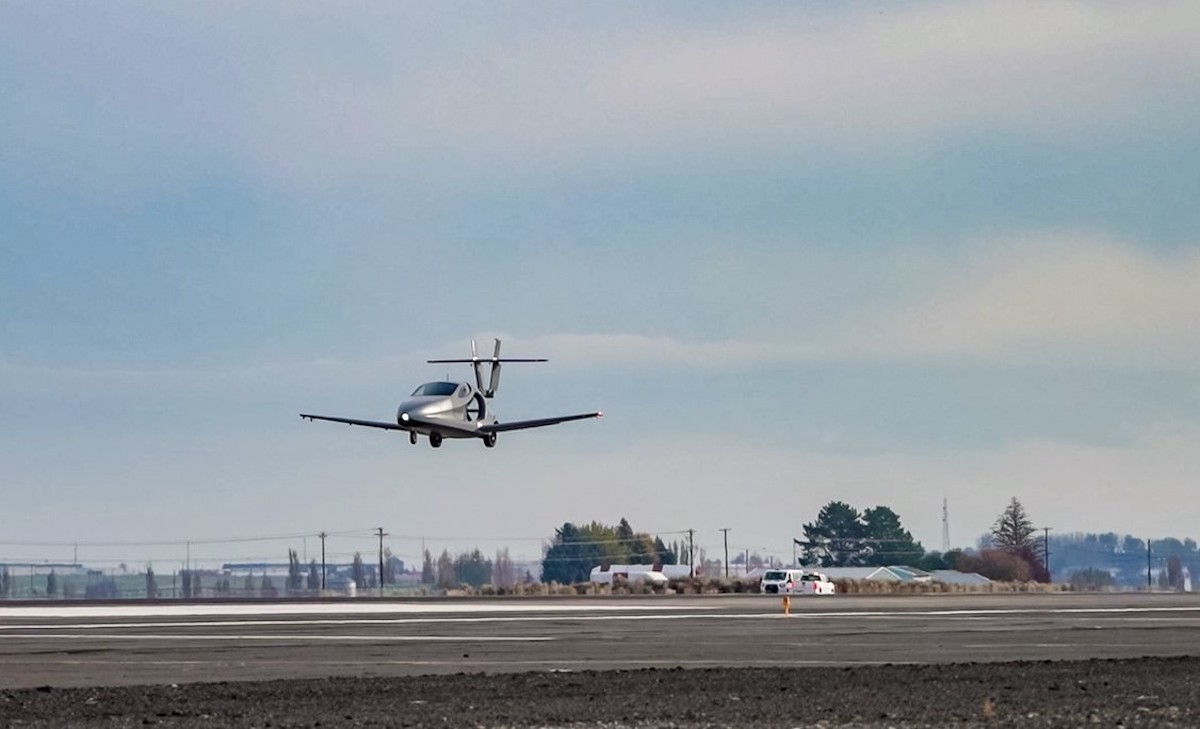
Samson Sky, maker of the Switchblade Flying Car, has secured an $80 million investment from the Dubai-based Matin Group. The investment will go towards establishing the company’s first U.S. production facility, accelerating its journey to bringing this street-legal, hybrid aircraft to the market.
New AI Tool Offers Mock Checkrides

Critique AI has introduced Check-Ride.ai, a new platform offering realistic, AI-driven mock checkrides for pilots. By simulating the oral portion of an FAA exam, this tool provides scored debriefs and personalized study pointers.
Gulfstream Collides With Cessna 172 While Taxiing
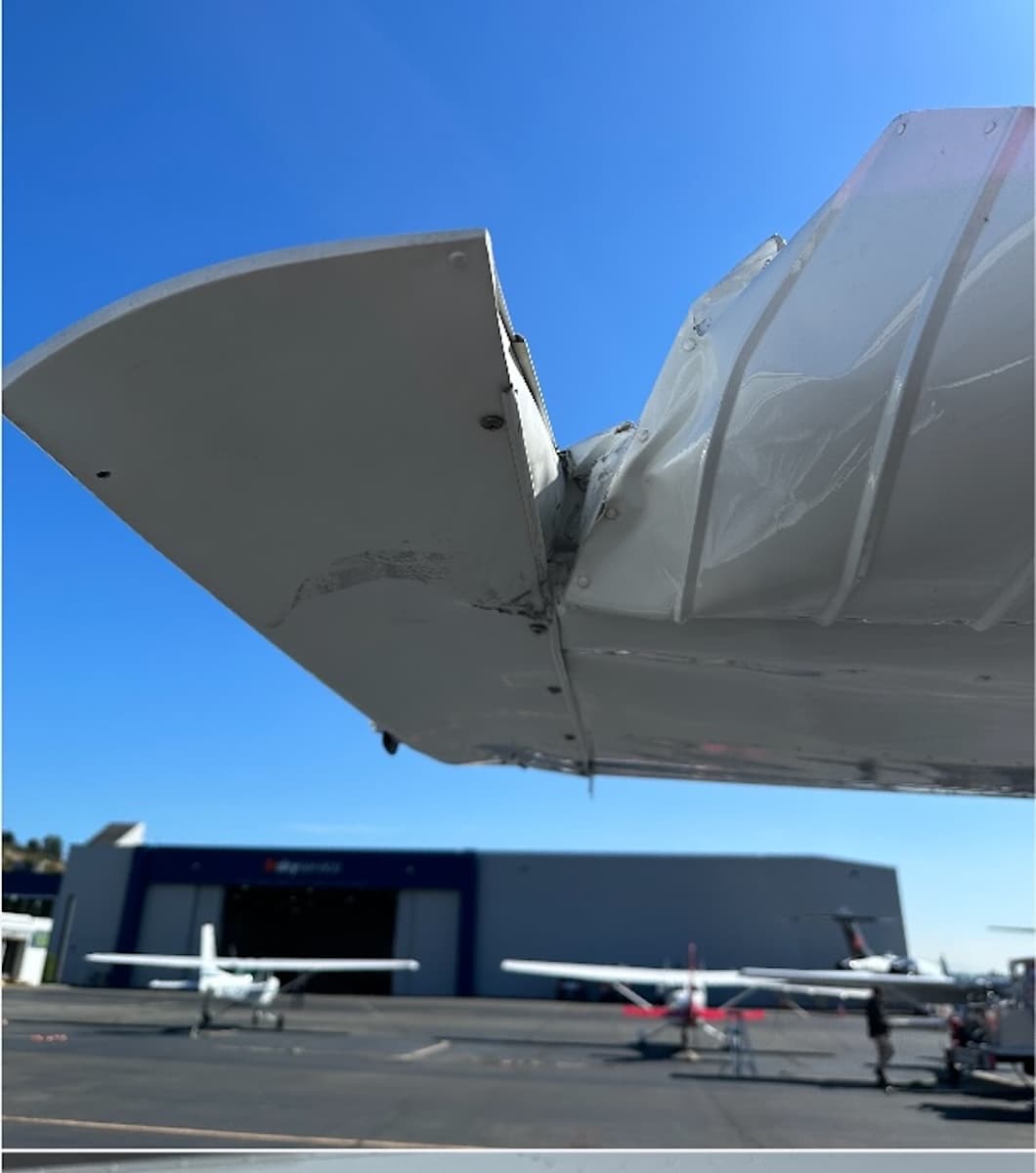
Probable Cause: The Gulfstream pilot’s failure to maintain clearance from the Cessna while taxiing that resulted in a ground collision.
Picture of the Day: Cycling Past College Park Airport
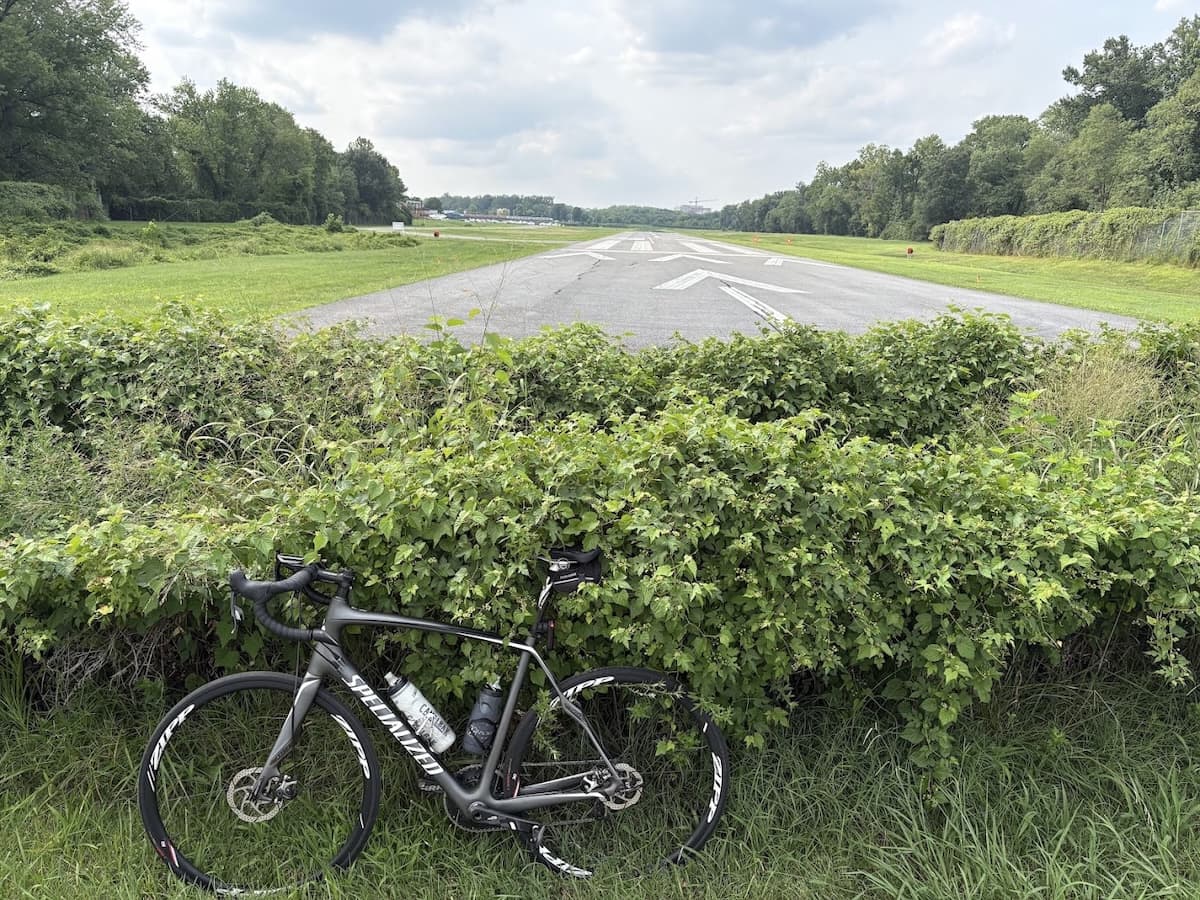
Douglas Hackelton submitted this photo and note: “I took this photo in August 2026 while cycling on the NE Branch Trail, part of the Anacostia River Trail system in Maryland. I couldn’t resist placing my bike against the brush to get a photo of the west end of the runway at College Park Airport (KCGS).”
What I Learned Towing Banners
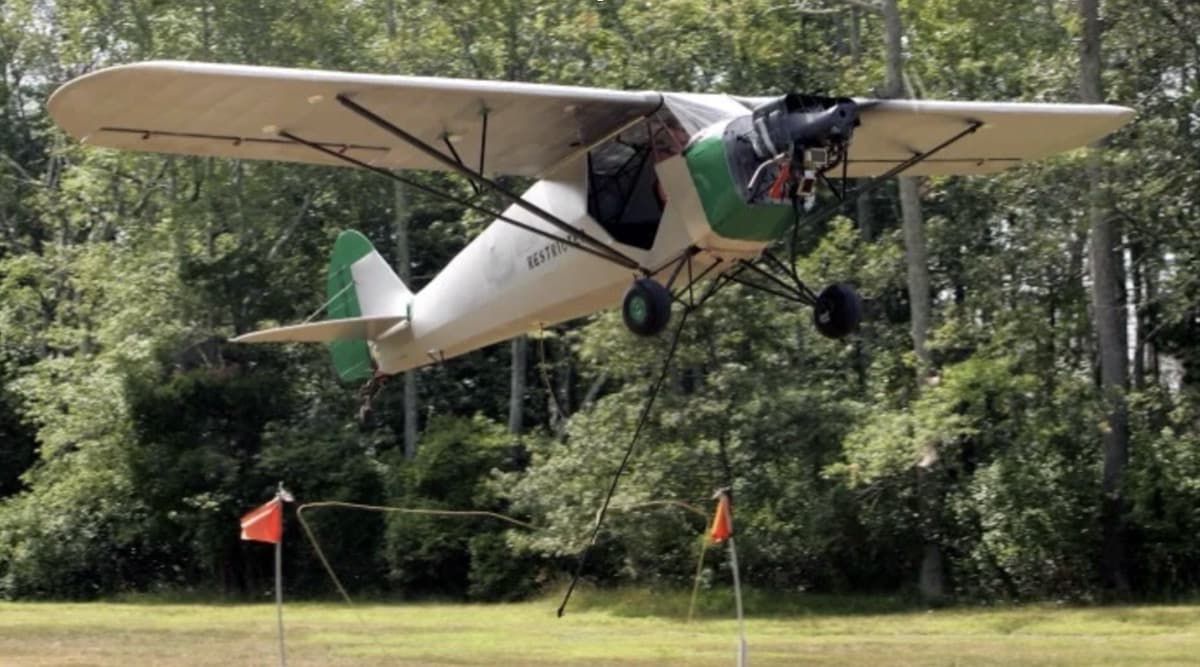
Before flying corporate jets and airliners, long summer days spent towing banners along the Jersey Shore provided an accelerated education in stick-and-rudder aviation. That first job as a professional pilot taught Kevin Laufer timeless lessons in aeronautical decision-making, precision, teamwork, and humility.
New FAA Video Addresses Pilot Mental Health Concerns
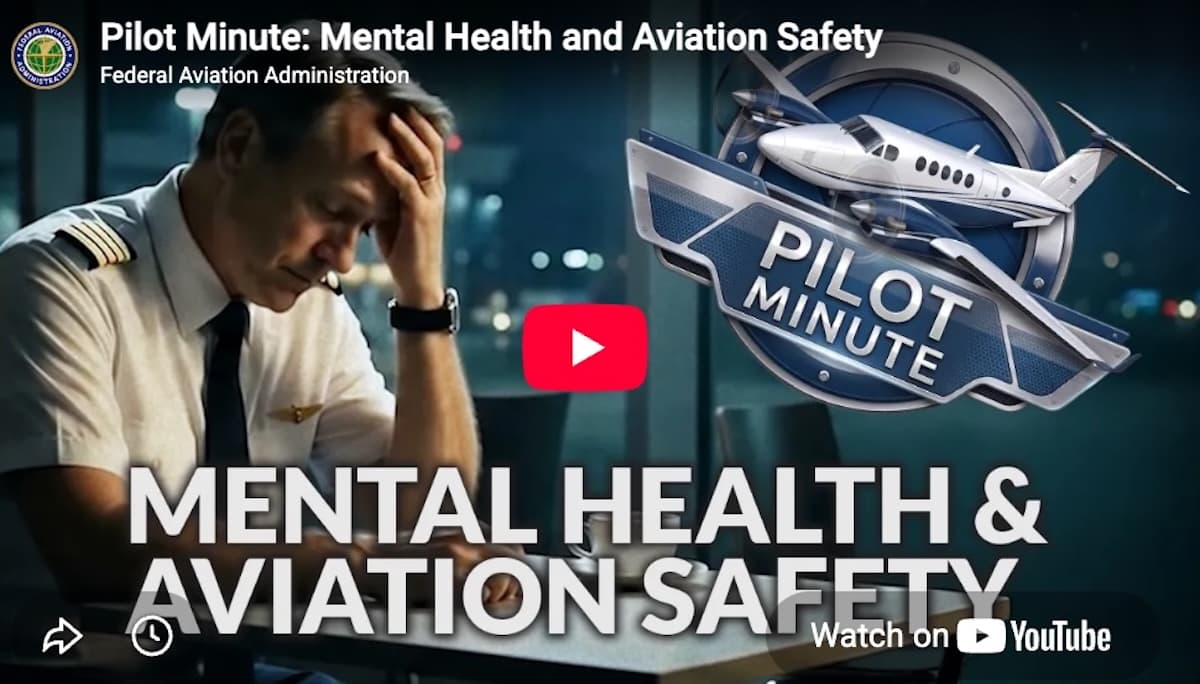
In a new Pilot Minute video, FAA Air Surgeon Susan Northrup addresses common misconceptions about pilot mental health. Emphasizing education and early intervention, she explains how many pilots fly safely with treated conditions and encourages aviators to seek help early in their careers.