

After 36 years on the job at Continental, Phillip Grice’s day-to-day role involves a lot of technical sleuthing. He is often tasked with finding out what happened to an engine that led to an accident.
NTSB
Zip Tie Fix Fails to Prevent Inflight Engine Fire
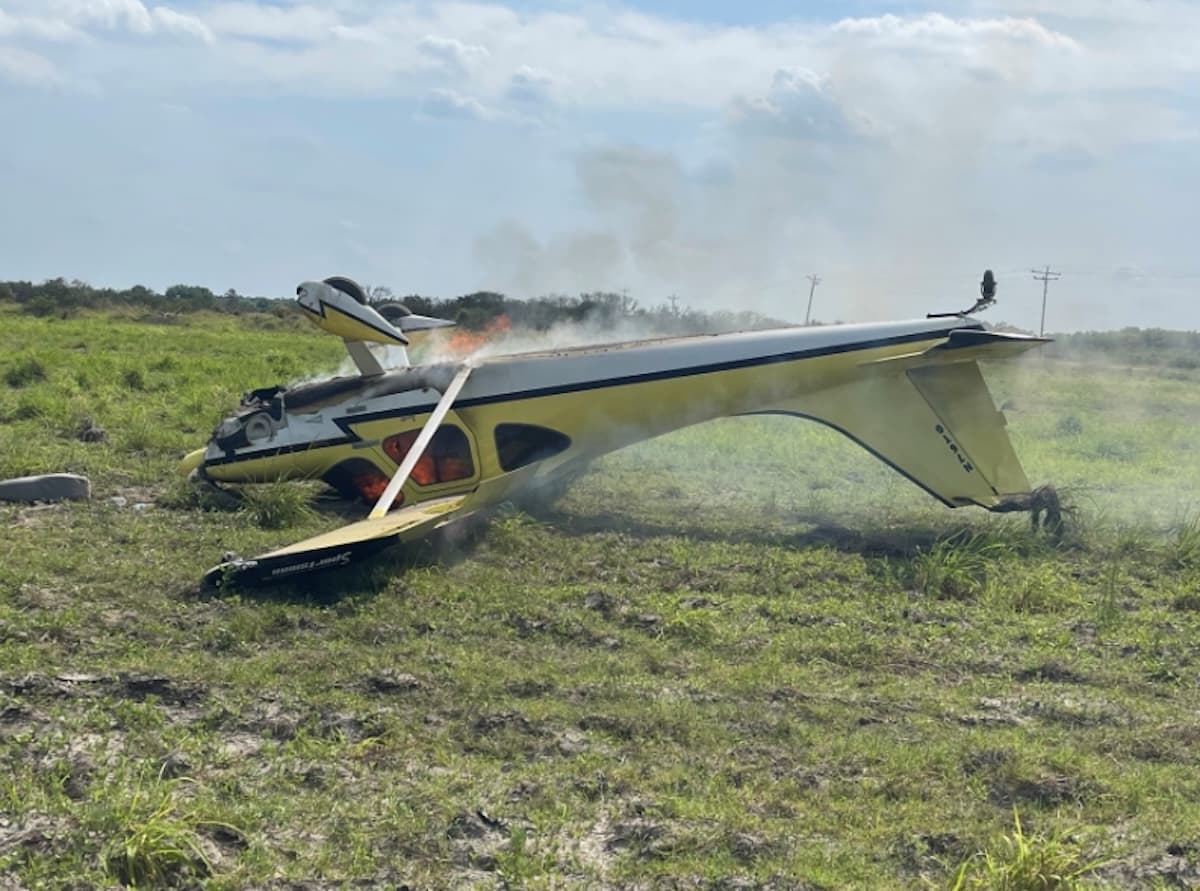
Probable Cause: The pilot’s inadequate inspection of the airplane following an inflight smoke event, which resulted in separation of the exhaust pipe and hot exhaust igniting the engine cowling, and a subsequent loss of engine power.
After the Accident
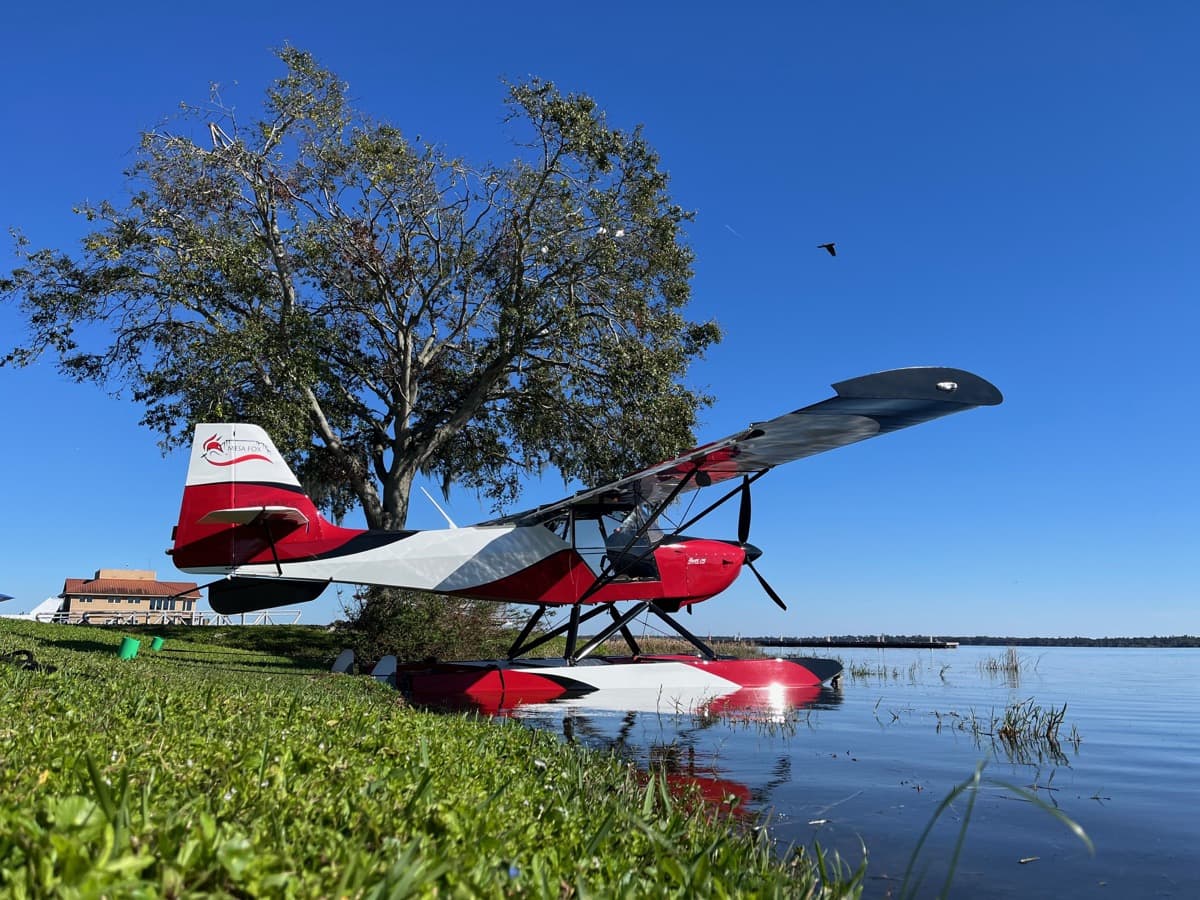
A pilot who did everything right but was still in an accident shares the lessons he learned in its aftermath, from dealing with the NTSB, FAA, and insurance companies, to handling the Seven Stages of Grief.
Pilot Crashes From Fuel Exhaustion on Way to Buy Cheaper Fuel
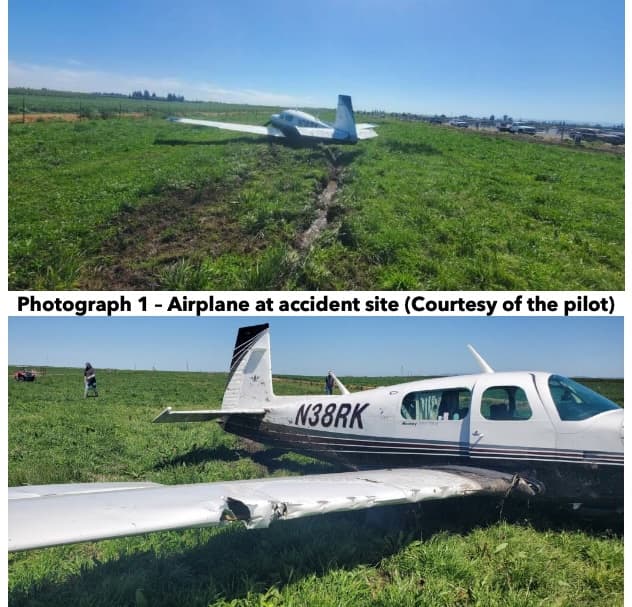
Probable Cause: The pilot’s improper preflight fuel planning that resulted in the loss of engine power due to fuel exhaustion.
Human Factors: When Over and Above Isn’t Enough
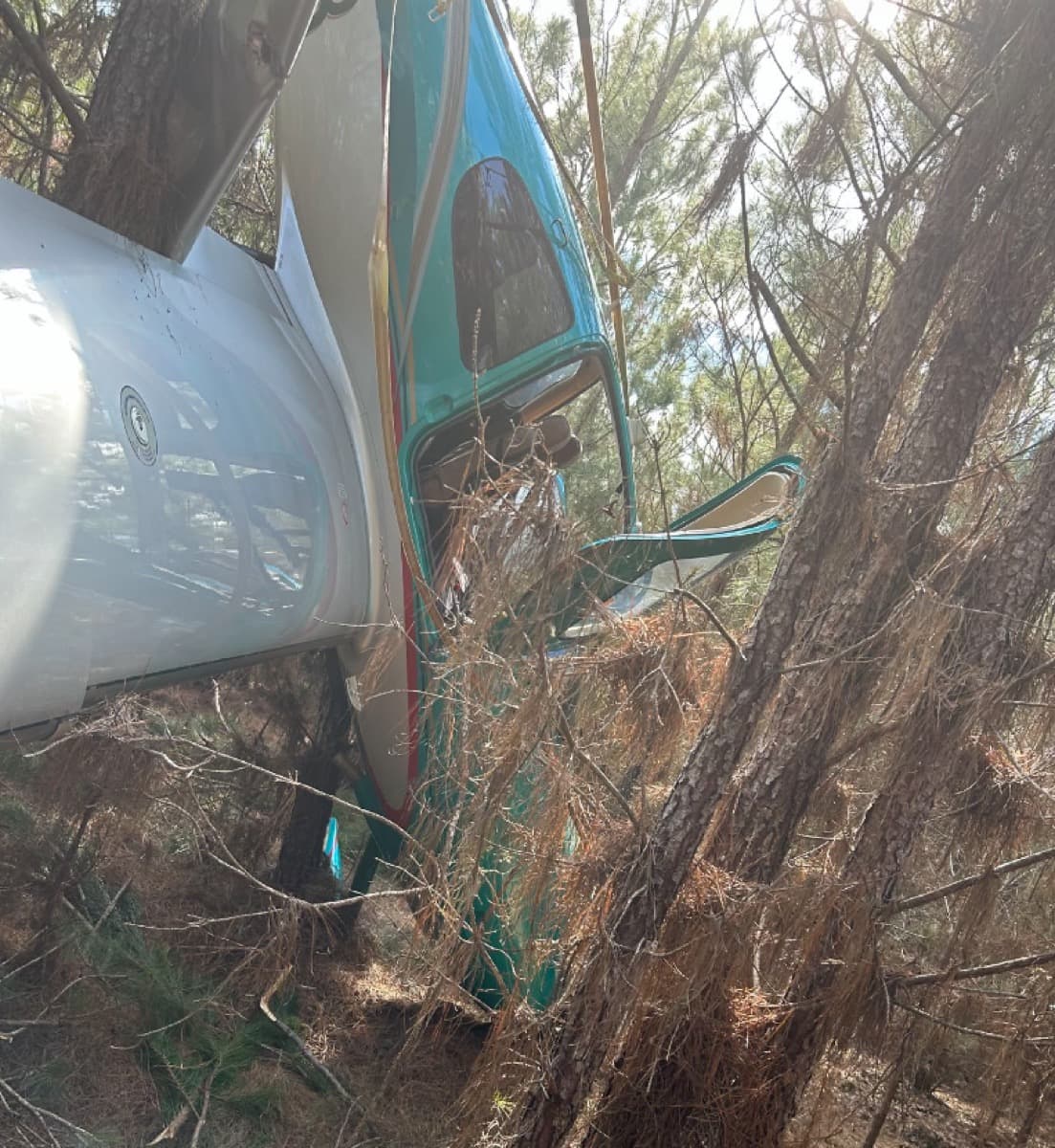
A March 2024 accident where the engine failed “without warning” raises the question of whether an “old school” technique might be able to catch problems newer tools miss.
Crankshaft Fatigue Fracture Leads to Emergency Landing
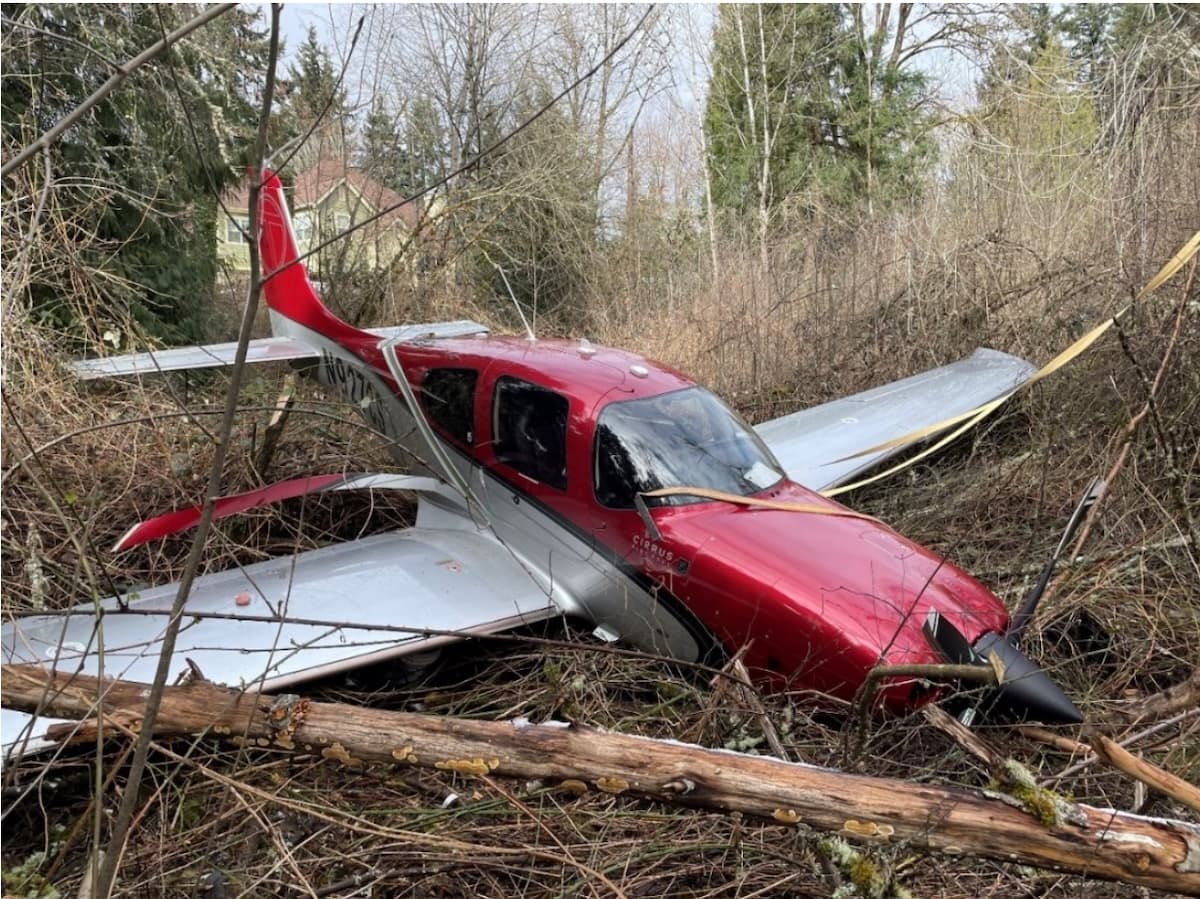
Probable Cause: A total loss of engine power due to a fatigue fracture of the crankshaft.
Contaminated Fuel Injector Assembly Results in Forced Landing
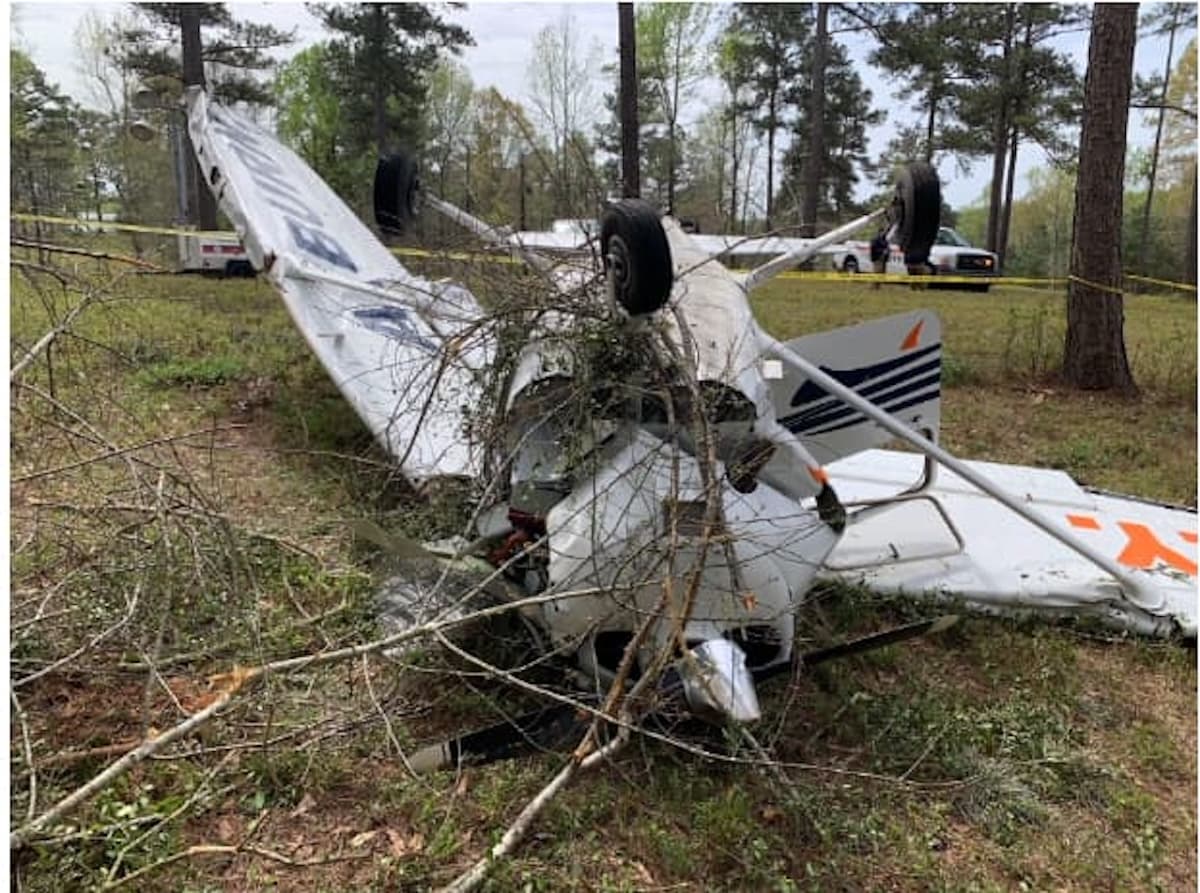
Probable Cause: A partial loss of engine power due to a combination of fuel/oil contamination in the fuel injector assembly.
Pilot Loses Control When Worn Aileron Cable Snaps During Landing
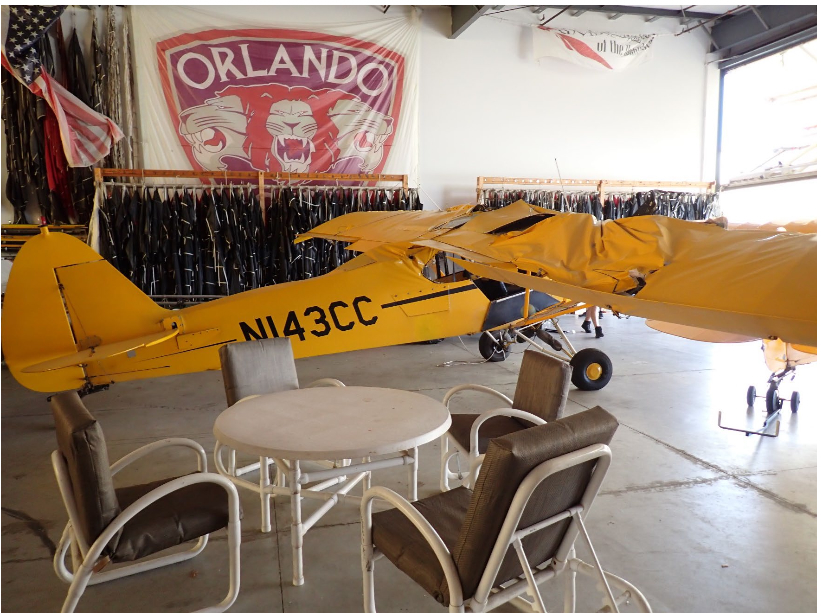
Probable Cause: Maintenance personnel’s failure to detect the worn aileron cable during the most recent inspections, which resulted in the separation of the aileron control cable and a subsequent loss of airplane control during landing.
Crosswind Landing Bends Bellanca
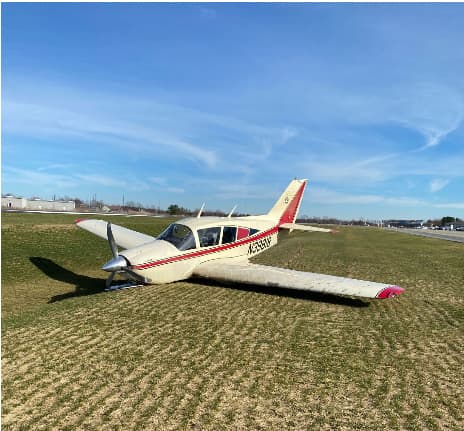
Probable Cause: The pilot’s failure to maintain directional control of the airplane while landing with a crosswind.